

Affordable Car Maintenance
Tips for Budget-Conscious Buyers
Owning a vehicle is a significant investment, and for budget-conscious buyers, the initial purchase price is just the beginning. The key to long-term affordability is smart, proactive maintenance. Keeping your car in excellent condition does not have to be expensive. By understanding a few basic principles and adopting some simple habits, you can extend the life of your vehicle, prevent costly major repairs, and maintain its resale value. This guide is designed to provide you with practical, affordable car maintenance tips that empower you to take control of your vehicle's health without straining your finances. From simple DIY checks you can perform in your own driveway to strategies for handling professional service, we will show you how keeping up with maintenance is one of the most effective ways to save money over the life of your car. Protecting your investment starts with knowledge and a little bit of effort.
Our commitment to our customers extends far beyond the sale. We believe in empowering you with the knowledge to make car ownership as affordable and stress-free as possible. The right maintenance plan helps you get the most value out of the vehicle you choose. Below, we dive deep into specific, actionable steps you can take to keep your car running smoothly and your maintenance costs low. These tips are perfect for any driver, especially first-time buyers or anyone looking to manage their expenses more effectively.
Your Comprehensive Guide to Low-Cost Vehicle Upkeep
Finding an affordable used vehicle is an exciting first step, but the journey to smart car ownership continues long after you drive off the lot. The secret to avoiding unexpected, high-cost repairs is regular, preventative maintenance. Many drivers believe this requires a hefty budget or deep mechanical knowledge, but that is simply not the case. A significant portion of essential vehicle care can be done with minimal tools and a bit of learning. This guide will break down maintenance into manageable categories: simple do-it-yourself checks, creating a sensible maintenance schedule, smart strategies for professional repairs, and driving habits that save you money in the long run.
Adopting these practices not only saves you money on potential repairs but also improves your vehicle's fuel efficiency, enhances its safety, and preserves its value. When it comes time to value your trade for your next vehicle, a well-maintained car will always command a better price. Think of this guide as your roadmap to becoming a more confident and financially savvy car owner.
Easy DIY Maintenance Checks Anyone Can Perform
You do not need to be a certified mechanic to handle the basics of car care. Performing these simple checks once a month can help you spot potential issues before they become serious problems. All you need is a few minutes and a level parking spot.
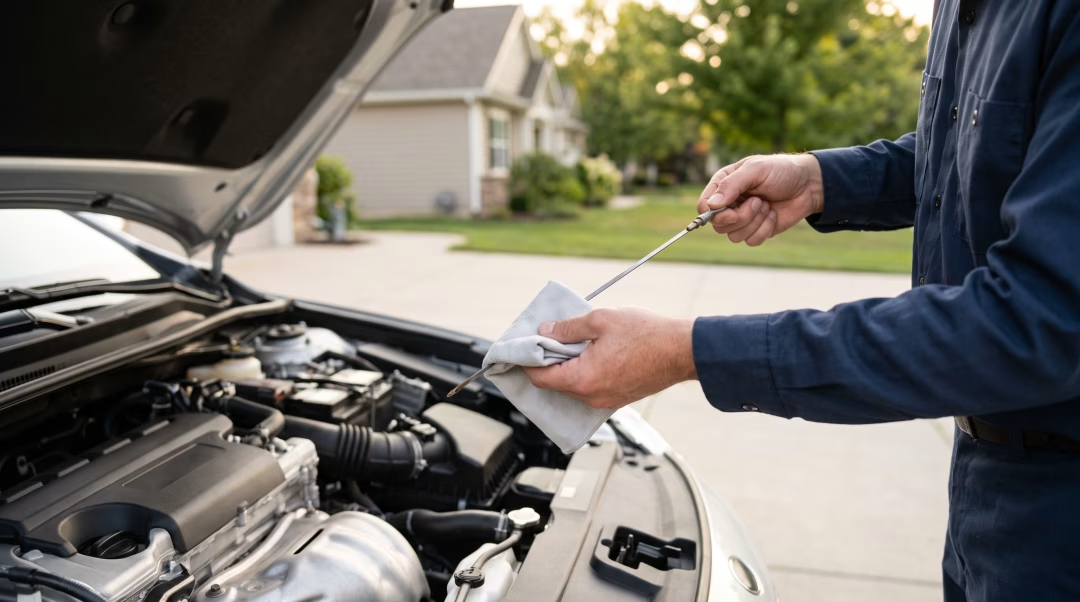
- Check Your Fluids: Your car relies on several fluids to operate correctly. Your owner's manual will show you where each reservoir is located under the hood. Check the engine oil using the dipstick; it should be between the "full" and "add" marks and look brownish, not black or gritty. Check the coolant (only when the engine is cool), brake fluid, power steering fluid, and windshield washer fluid levels. Topping these off as needed is an easy and inexpensive task.
- Inspect Your Tires: Your tires are your only connection to the road, so their condition is critical for safety and fuel economy. Use a simple tire pressure gauge to check the pressure in all four tires (plus the spare) and inflate them to the recommended PSI found on the sticker inside the driver's door jamb. Also, check the tread depth. An easy way is the "penny test": insert a penny into the tread with Lincoln's head upside down. If you can see all of his head, it is time for new tires.
- Test Your Lights: Have a friend or family member help you check all exterior lights. Test your headlights (low and high beams), taillights, brake lights, and turn signals. A burned-out bulb is a safety hazard and can lead to a traffic ticket, but it is usually a very simple and cheap fix you can do yourself.
- Examine Your Wiper Blades: In Texas weather, clear visibility is non-negotiable. Lift your wiper blades and check the rubber for cracks, tears, or stiffness. If they leave streaks on your windshield or make a chattering noise, it is time to replace them. This is another quick, tool-free job that makes a huge difference in safety.
Creating a Maintenance Schedule That Fits Your Budget
Consistency is more important than intensity when it comes to car care. Instead of waiting for a problem, you can spread out maintenance costs by following a simple schedule. The best place to start is your vehicle's owner's manual, which provides a detailed timeline for recommended services.
Prioritize the most critical services first. Regular oil changes are the single most important thing you can do for your engine's longevity. Following that, focus on brake inspections, tire rotations, and filter changes (engine and cabin air). You do not have to do everything at once. Plan these services out over several months. For instance, you can get an oil change one month, and then a tire rotation a couple of months later. This approach transforms a potentially large annual expense into small, manageable monthly costs. For more tips on financial planning, explore our guide on how to budget for car maintenance.
Driving Habits That Extend Your Car's Life
How you drive has a direct impact on how quickly your vehicle's components wear out. By adopting smoother driving habits, you can reduce stress on the engine, transmission, brakes, and suspension, which translates to fewer repairs and better fuel mileage.
Avoid aggressive acceleration and hard braking. A gentle foot on both pedals is much easier on your entire drivetrain and can significantly extend the life of your brake pads and rotors. Try to maintain a consistent speed on the highway and anticipate stops in city traffic to coast more and brake less. Additionally, try to reduce excess weight in your vehicle. Removing heavy items from your trunk that you do not need can slightly improve your gas mileage. Over time, these small savings add up, making your vehicle ownership experience even more affordable.
Finding Reliable and Affordable Professional Service
While DIY checks are great, some jobs require the tools and expertise of a professional. However, you can still be a savvy consumer. When a repair is needed, do not hesitate to get quotes from a few different reputable shops in your area. Ask for a detailed breakdown of the costs for parts and labor. A trustworthy mechanic will be transparent about what is necessary versus what can wait.
Building a relationship with a mechanic or dealership service center you trust is invaluable. They can help you prioritize repairs based on safety and necessity, which aligns with your budget. If you are ever unsure about a vehicle's needs or want to discuss service options, please feel free to contact our team. We are happy to provide guidance and help our customers find the resources they need. Our goal is to see you succeed with your vehicle, and that includes helping you navigate the world of maintenance and repair.
Helpful Links and Resources
Frequently Asked Questions About Affordable Car Care
What is the most important maintenance task for a used car?
Hands down, the most critical maintenance task is changing the engine oil and filter at the recommended intervals. Clean oil is essential for lubricating, cooling, and cleaning the engine's internal components. Neglecting oil changes is one of the fastest ways to cause significant and expensive engine damage. It is a relatively low-cost service that provides the biggest return in terms of engine longevity and performance.
How can I save money on new tires?
To save on tires, start by practicing good maintenance on your current set. Proper inflation and regular rotations (every 5,000 to 7,500 miles) will maximize their lifespan. When you do need to buy new tires, you do not always need the most expensive brand. Ask your tire shop for recommendations on quality, budget-friendly brands that suit your vehicle and driving style. Also, look for sales and rebates, which are common around major holidays.
Is it cheaper to do my own car maintenance?
For simple tasks, absolutely. Replacing your own engine air filter, cabin air filter, or windshield wiper blades can save you a significant amount on labor costs and part markups. A basic oil change is also a manageable DIY job for many people. However, for more complex jobs like brake work or suspension repairs, it is often safer and more cost-effective in the long run to trust a professional mechanic with the right tools and experience.
How often should I check my tire pressure?
It is a good habit to check your tire pressure at least once a month and before any long road trips. Tire pressure can fluctuate with changes in the outside temperature. Driving on underinflated tires can decrease your fuel economy, cause premature tire wear, and negatively affect your vehicle's handling, making this simple check a powerful money-saving habit.
What does the "check engine" light mean and is it expensive to fix?
The check engine light can indicate a wide range of issues, from something as simple as a loose gas cap to a more complex engine problem. The first step is to have the diagnostic code read, which many auto parts stores will do for free. This code will point a mechanic in the right direction. The repair cost can vary from virtually nothing (tightening the gas cap) to several hundred dollars, but ignoring the light can lead to much more severe and costly damage down the road.
