

As-Is Used Car Sales in
Texas: What Buyers Should Know
Navigating the world of used car sales in Texas can feel complex, especially when you encounter the term "as-is." Understanding what this phrase truly means is the first step toward making a confident and informed purchase. An "as-is" sale signifies that the vehicle is being sold in its current condition, without any warranties from the dealership covering future repairs. This is a common practice in the pre-owned auto industry, allowing dealerships to offer vehicles at competitive prices. For you, the buyer, it underscores the importance of due diligence. Being proactive by thoroughly inspecting the vehicle and understanding the sale documents empowers you to find a reliable car that fits your budget and needs. This knowledge is your most valuable tool, turning a potentially confusing process into a straightforward path to your next vehicle. Our team is dedicated to transparency, and we want you to have all the facts before you make a decision.
While the term "as-is" places the responsibility for future repairs on the buyer, it does not mean you are buying blind. Reputable dealers encourage you to take every necessary step to feel comfortable with your purchase. From comprehensive test drives to arranging independent mechanical inspections, you have the power to assess the vehicle's condition completely. This transparency is key to a positive car-buying experience. By partnering with a dealership that values informed customers, you can confidently explore our used inventory knowing you have the support and information needed.
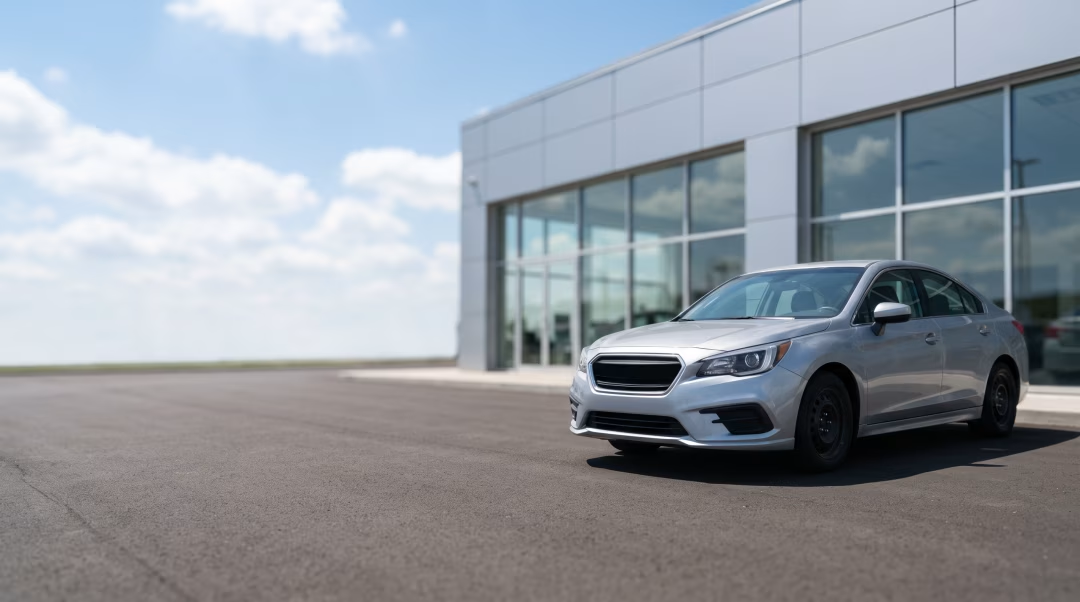
Decoding "As-Is" Vehicle Sales in the Lone Star State
When shopping for a pre-owned vehicle in North Texas, you will frequently see a document called a Buyers Guide displayed in the window. This guide is a legal requirement, and one of its most important functions is to declare whether the vehicle comes with a warranty or is being sold "as-is." It is crucial for every car shopper, from first-time buyers in Plano to seasoned drivers in Frisco, to grasp the full implications of this term before signing any paperwork.
In the simplest terms, "as-is" means the dealership is selling the vehicle without any expressed or implied warranties. You, the buyer, agree to purchase the car in its exact current state, including any existing or future mechanical issues. Once the sale is complete, the financial responsibility for any repairs, from a check engine light to a major transmission problem, rests with you. This might sound intimidating, but it is a standard and legal practice across Texas. It allows dealerships to price vehicles, particularly older or higher-mileage models, more affordably, creating more options for buyers on a budget.
The FTC Buyers Guide: Your Official Notification
The most important document in any "as-is" transaction is the Federal Trade Commission (FTC) Buyers Guide. This is not just a piece of paper with vehicle details; it is a legally binding part of the sales contract. The guide must be displayed prominently in the window of every used car offered for sale.
The guide has two large checkboxes near the top: "AS IS - NO DEALER WARRANTY" and "DEALER WARRANTY." If the "AS IS" box is checked, the dealership is explicitly stating that they are making no promises about the vehicle's future performance or condition. The guide clearly states, "The dealer is not responsible for any repairs, regardless of any oral statements about the vehicle." This is why it is vital to get any promises made by a salesperson in writing. If it is not on the contract or a separate warranty document, it is not an enforceable promise. For a deeper dive into this important form, you can review our guide on understanding the FTC Buyers Guide.
Your Checklist for a Smart "As-Is" Purchase
An "as-is" sale puts the power, and the responsibility, squarely in your hands. A proactive and thorough approach is the best way to ensure you are driving off the lot in a vehicle you can depend on. Rather than being a barrier, this process should empower you to make a great decision. Here are the essential steps every buyer should take:
- Arrange a Pre-Purchase Inspection (PPI): This is the single most important step you can take. Before you commit, have the vehicle examined by a qualified, independent mechanic of your choosing. They will put the car on a lift and inspect it from top to bottom, checking the engine, transmission, brakes, frame, and more. The small cost of a PPI can save you from thousands of dollars in unexpected repairs down the road.
- Conduct a Thorough Test Drive: Do not just take a quick trip around the block. You should schedule a test drive that allows you to experience the car in various conditions. Drive it on city streets, accelerate onto a highway like US-75, and test the brakes. Pay attention to how it handles, listen for strange noises, and make sure all the electronics, from the air conditioning to the power windows, are working properly.
- Review the Vehicle History Report (VHR): Reputable dealerships will provide a VHR from a service like CarFax or AutoCheck. This report provides a wealth of information, including reported accidents, title history (look for salvage or flood titles), odometer readings, and sometimes even service records. It is an essential tool for verifying the car's past. You can learn more about how to read a vehicle history report on our blog.
- Perform Your Own Visual Inspection: Even without being a mechanic, you can spot potential red flags. Check the tires for uneven wear, look under the hood for obvious fluid leaks, and check the oil and transmission fluid. Examine the exterior for mismatched paint, which could indicate a past repair. Inside, check for musty smells or damp carpets that might suggest water damage.
- Read All Your Paperwork: Take your time and read every document before you sign. This includes the sales contract, the title application, and the financing agreement. Make sure the Vehicle Identification Number (VIN) on the paperwork matches the VIN on the car. If you have questions about financing, our team is always here to help and you can review our financing frequently asked questions page.
Financing Your "As-Is" Vehicle with Confidence
It is important to remember that the terms of the sale ("as-is") are separate from the terms of your financing. Whether a car is sold with a warranty or not does not typically impact your ability to secure a loan. At our dealership, we specialize in helping people from all over Collin County and beyond, including residents of Allen and Sherman, find practical financing solutions. As a Buy Here Pay Here dealership, we offer in-house financing, which means we are the lender. This allows us to work with individuals who may have been turned down by traditional banks due to past credit challenges. We focus on your current stability and ability to make payments, not just a credit score. You can even start the process from home and get pre-qualified online to see where you stand.
Frequently Asked Questions About "As-Is" Car Sales
Is it legal for a dealership in Texas to sell a car "as-is"?
Yes, it is completely legal and common practice for dealerships in Texas to sell used vehicles "as-is." The key legal requirement is disclosure. The dealership must clearly inform you of the "as-is" status of the sale, which is accomplished by checking the appropriate box on the mandatory FTC Buyers Guide displayed in the vehicle's window.
If I buy an "as-is" car and it breaks down the next day, does the dealer have to fix it?
No. By definition, an "as-is" sale means the buyer assumes all risk for any and all future repairs, regardless of when they occur. Once you sign the paperwork and take possession of the vehicle, the responsibility is yours. This is why a pre-purchase inspection by a trusted mechanic is so highly recommended.
Does an "as-is" sale mean the car definitely has problems?
Not at all. Many excellent, reliable vehicles are sold "as-is." This sales status is often used for older vehicles, those with higher mileage, or simply as a standard business practice to keep prices low and competitive. It is a statement about the lack of a warranty, not necessarily about the quality of the car itself.
Can I still purchase an extended service contract for an "as-is" car?
In many cases, yes. An extended service contract (often mistakenly called an extended warranty) is a separate product you can purchase to cover certain types of mechanical failures. It is not included in the vehicle's price but can be a valuable addition for peace of mind. Be sure to ask our finance team about the available options for the vehicle you are interested in.
What is my recourse if I feel a dealer was dishonest about a car sold "as-is"?
While an "as-is" clause protects the dealer from responsibility for mechanical failures, it does not protect them from outright fraud or misrepresentation. If a dealer actively concealed a known major defect (like a cracked frame) or lied about the vehicle's title history (e.g., claiming it has a clean title when it is a salvage title), you may have legal recourse. However, proving this can be difficult, reinforcing the need for thorough pre-purchase diligence.
