

A Smart Guide to Buying a
Used Car After a Texas Hailstorm
In North Texas, hailstorms are a fact of life, and in their aftermath, the used car market can see a surge of vehicles with hail damage. While this presents an opportunity to find a great deal, it also calls for careful consideration. Navigating this landscape requires a keen eye and a trustworthy dealership partner. Understanding the difference between minor cosmetic blemishes and significant, potentially compromising damage is key to making a smart investment. A vehicle with superficial dents can be a mechanically sound and reliable car offered at a lower price point. However, it is crucial to avoid vehicles with hidden structural issues or branded titles that could cause problems with insurance and resale value down the road. This guide is designed to empower you with the knowledge to confidently shop for a used car after a hailstorm, ensuring you drive away with value, not a vehicle full of regrets and costly repairs.
Here, we believe in complete transparency. Every vehicle on our lot undergoes a thorough inspection process before it is offered for sale. We understand that an unexpected storm can put a strain on your finances, which is why our team is dedicated to finding a solution that fits your budget. Whether you have excellent credit or are working to rebuild it, our in-house financing options are designed to help you get back on the road quickly. Explore our carefully selected used inventory today.
Navigating the Used Car Market in the Wake of a Storm
When a major hailstorm rolls through areas like McKinney, Plano, or Frisco, it leaves more than just dented roofs and broken windows. It also creates a unique situation in the local automotive market. Insurance companies may declare thousands of vehicles a total loss, flooding the market with cars that have sustained varying degrees of hail damage. For a savvy buyer, this can be a golden opportunity to purchase a late-model, low-mileage vehicle for significantly less than its market value. However, this opportunity comes with risks. The key is distinguishing between a bargain and a burden. A car with purely cosmetic damage that does not affect its mechanical integrity or safety can be an excellent purchase. On the other hand, a vehicle with severe damage, a compromised title, or shoddy repairs can become a nightmare of unexpected costs and ownership headaches. This comprehensive guide will walk you through everything you need to know about buying a used car after a Texas hailstorm, from identifying damage to understanding titles and securing financing.
Understanding the Different Levels of Hail Damage
Not all hail damage is created equal. The impact on a vehicle can range from a few barely noticeable dings to damage so severe it shatters glass and compromises the car's structure. Generally, hail damage falls into two categories: cosmetic and structural.
Cosmetic damage is the most common type. It consists of dents and dings on the vehicle's metal surfaces, such as the hood, roof, and trunk. These imperfections do not affect the car's performance, safety, or mechanical function. Often, this type of damage can be expertly repaired using a technique called Paintless Dent Repair (PDR), where technicians use specialized tools to massage the dents out from behind the panel without disturbing the original factory paint. For a buyer who prioritizes mechanical reliability over a flawless finish, a car with minor, unrepaired cosmetic hail damage can be a fantastic deal.
Structural damage is far more serious. This occurs when very large hailstones strike the vehicle with immense force. It can lead to broken windshields and windows, cracked light housings, and severely dented panels that compromise the vehicle's structural frame or pillars. When a car's safety structure is bent or weakened, it may not protect occupants as designed in a future collision. This level of damage often leads an insurance company to declare the vehicle a "total loss," which results in the vehicle being issued a salvage title. We will discuss titles more in-depth, but it is critical to approach any vehicle with potential structural damage with extreme caution.
A Buyer's Guide to Vehicle Titles: Salvage vs. Rebuilt
One of the biggest risks after a hailstorm is encountering vehicles with problematic titles. When an insurance company decides the cost to repair a damaged vehicle exceeds a certain percentage of its value, they will "total" it and pay the owner the settlement. The state then issues the car a salvage title. A vehicle with a salvage title is not legally drivable on Texas roads. It must be repaired and pass a comprehensive state inspection to be issued a "rebuilt" title.
While a rebuilt title makes a car roadworthy again, it permanently brands the vehicle's history. Many traditional lenders will not finance a car with a rebuilt title, and most insurance companies will only offer liability coverage, not full coverage. Furthermore, the resale value of a rebuilt vehicle is drastically lower than that of a comparable vehicle with a clean title. Unscrupulous sellers might try to pass off a poorly repaired rebuilt car as a simple "hail special." That is why working with a transparent and trustworthy dealership that discloses the full history of every vehicle is so important. We believe you deserve to know exactly what you are buying, which is why we provide vehicle history reports and stand behind the quality of our inventory.
Your Hail Damage Inspection Checklist
Inspecting a car for hail damage requires a methodical approach. Rushing the process or checking in poor lighting conditions can cause you to miss significant issues. Follow this checklist to perform a thorough inspection before you even schedule a test drive.
- Choose the Right Lighting: Do not inspect a car in direct, harsh sunlight, as the glare can hide dents. Overcast days or the shade of a building provide ideal, diffused light. Fluorescent lighting inside a garage is also excellent for highlighting panel imperfections.
- View from Multiple Angles: Stand back from the vehicle and look down the length of its side panels. Crouch down and look for ripples and inconsistencies in the reflections. This technique will reveal dents that are invisible when looking straight on.
- Check Horizontal Surfaces: The roof, hood, and trunk lid bear the brunt of any hailstorm. Pay close attention to these areas. On taller vehicles like SUVs and trucks, it is especially important to get a good look at the entire roof.
- Inspect Trim and Moldings: Do not forget to check the thin metal trim around windows and along the roofline. These pieces are often expensive to replace and can be a good indicator of a storm's severity.
- Look for Broken Glass and Plastic: Carefully inspect the windshield for small cracks or chips. Check the headlights, taillights, and side mirrors for any cracks or moisture inside the housings.
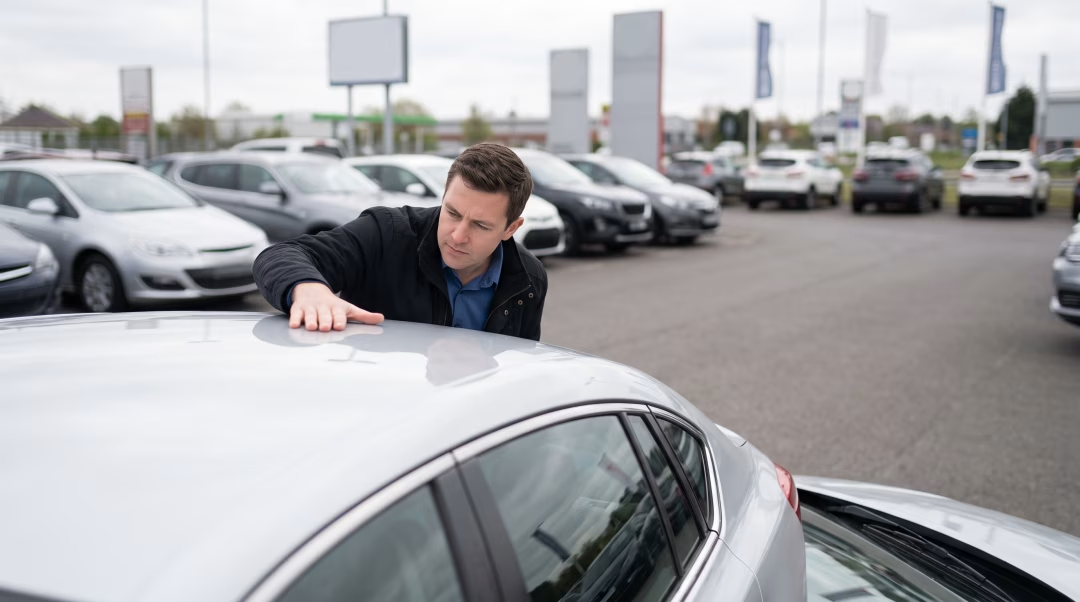
- Feel the Surface: Gently run your hand over the panels. Sometimes your fingers can detect small dings and low spots that your eyes might miss.
- Check for Poor Repairs: Look for signs of recent bodywork. Mismatched paint color, overspray on rubber trim, or a wavy, "orange peel" texture in the paint can indicate a cheap, low-quality repair job.
- Ask for the Vehicle History Report: A reputable dealer will always provide a history report. Look for any mention of salvage history, flood damage, or major accident reports.
If this process seems daunting, remember that our team of professionals has already performed these checks and more on every single vehicle we sell. We do the hard work so you can shop with confidence. If you have any questions during your own inspection, do not hesitate to ask one of our staff members.
Frequently Asked Questions About Hail-Damaged Cars
Can I get full coverage insurance on a car with previous hail damage?
If the car has a clean title and the damage is purely cosmetic, most insurance companies will offer full coverage. However, they may add an exclusion for pre-existing hail damage, meaning they will not cover the cost to repair those specific dents in a future claim. If the vehicle has a rebuilt title, obtaining full coverage can be much more difficult, and many providers may only offer liability insurance.
Is a car with properly repaired hail damage a good buy?
Yes, a vehicle that has been professionally repaired, especially using Paintless Dent Repair (PDR), can be an excellent value. A proper repair restores the vehicle's appearance without compromising the factory paint finish. As long as the car has a clean title and the repairs were done to a high standard, it should provide the same reliability as a vehicle that was never damaged, often at a more attractive price.
What is the difference between cosmetic and structural hail damage?
Cosmetic damage refers to dents on the vehicle's body panels (hood, roof, doors) that do not affect its mechanical operation or safety features. Structural damage is more severe, potentially including a bent frame, cracked pillars (the posts that support the roof), or shattered glass. Structural damage compromises the vehicle's safety integrity and typically results in a salvage title.
How does a dealership price a car with minor hail damage?
A reputable dealership will price a vehicle with unrepaired cosmetic hail damage below the typical market value for a similar model without damage. The discount is usually based on the severity of the damage and the estimated cost of repair. This provides an opportunity for buyers to get a mechanically sound vehicle for a lower price, making it a great option for those who prioritize function over a flawless finish.
Should I ever buy a car with a salvage title from hail damage?
We strongly advise against it for most buyers. While the price may be tempting, vehicles with salvage or rebuilt titles present significant challenges. They can be difficult to finance, hard to insure for more than basic liability, and have extremely low resale value. Furthermore, you can never be certain about the quality of the repairs that were performed to make it road legal again. It is generally safer and a better long-term investment to purchase a vehicle with a clean title.
