

A Complete Guide to Cleaning and
Prepping Your Car Before a Trade-In
Are you thinking about upgrading your vehicle? Trading in your current car is a fantastic way to lower the cost of your next one. But before you head to the dealership, taking some time for proper cleaning and prepping can significantly influence your trade-in offer. A well-presented vehicle shows it has been cared for, making a powerful first impression on the appraiser. This guide will walk you through the essential steps to maximize your car’s visual appeal and potential value. From a deep interior clean to minor exterior touch-ups, a little effort can make a big difference. Putting in the work now can translate into a better offer, helping you get behind the wheel of your next car from our used inventory. Find out what your vehicle may be worth with our online tool and see how a clean car can impact the numbers.
Now that you understand why presentation matters, it is time to get to work. The following comprehensive guide breaks down the process into simple, manageable tasks. We will cover everything from gathering your essential paperwork to performing a detailed cleaning of both the interior and exterior. These steps are designed to be cost-effective, focusing on high-impact improvements you can do yourself. Our goal is to empower you with the knowledge to present your trade-in in the best possible light when you visit one of our locations.
Your Step-by-Step Guide to a Trade-In Ready Vehicle
The process of appraising a trade-in involves looking at many factors, from mileage and mechanical condition to market demand. While you cannot change the odometer reading, you have complete control over the vehicle's cleanliness and presentation. A car that looks and smells clean suggests a history of diligent maintenance, which is always a positive signal to an appraiser. Follow these detailed steps to prepare your car and position yourself for a more favorable trade-in valuation.
Step 1: Gather All Your Important Documents
Before you even touch a sponge or vacuum, the first step is to organize your paperwork. Having a complete and organized set of documents makes the trade-in process smoother and can even add to your vehicle’s perceived value. An appraiser who sees detailed service records knows the car has been properly maintained.
- Vehicle Title: This is the most crucial document. If you own the car outright, make sure you have the physical title. If you have an outstanding loan, the lender holds the title. In that case, bring your loan account information and the lender's contact details. Learn more about how financing works on our in-house financing guide.
- Current Registration: Ensure your vehicle's registration is up to date and have the paperwork ready to present.
- Maintenance Records: Collect all receipts and records for oil changes, tire rotations, brake work, and any other repairs. A comprehensive service history is a powerful negotiating tool.
- All Sets of Keys: A second set of keys can add value to your trade-in. Locate all original keys, key fobs, and valet keys that came with the car.
Step 2: A Thorough Exterior Cleaning
The exterior is the first thing an appraiser sees. A shiny, clean car immediately creates a better impression than a vehicle covered in dirt and grime. This is about more than a quick run through an automatic car wash; it is about attention to detail.
Start with a thorough hand wash. Use a car-specific soap and the two-bucket method (one for soapy water, one for rinsing your wash mitt) to prevent scratching the paint with trapped dirt. Pay special attention to cleaning the wheels, tires, and wheel wells, as these areas often hold the most grime. Use a dedicated wheel cleaner and a stiff brush to scrub away brake dust. After washing and drying, clean all exterior glass, including the windows, windshield, and mirrors, with an automotive glass cleaner for a streak-free finish. If you want to go the extra mile, applying a coat of wax will add a brilliant shine and can help hide minor imperfections in the paint. For any small chips or scratches, a touch-up paint pen from an auto parts store can be a simple and effective fix.
Step 3: Deep Clean the Interior
A clean interior is just as important as a clean exterior. This is where you will remove all traces of daily life and restore the cabin to a fresh, neutral state. The goal is to make it easy for the appraiser to see the car's features and condition without being distracted by your personal belongings or messes.
First, remove everything that is not part of the car. This means emptying the glove box, center console, door pockets, and trunk. Do not forget to check under the seats and in any hidden storage compartments. Once decluttered, give the entire interior a meticulous vacuuming. Use attachments to reach into crevices between seats, along the floorboards, and in air vents. Remove the floor mats and vacuum them separately, and also vacuum the carpet underneath them.
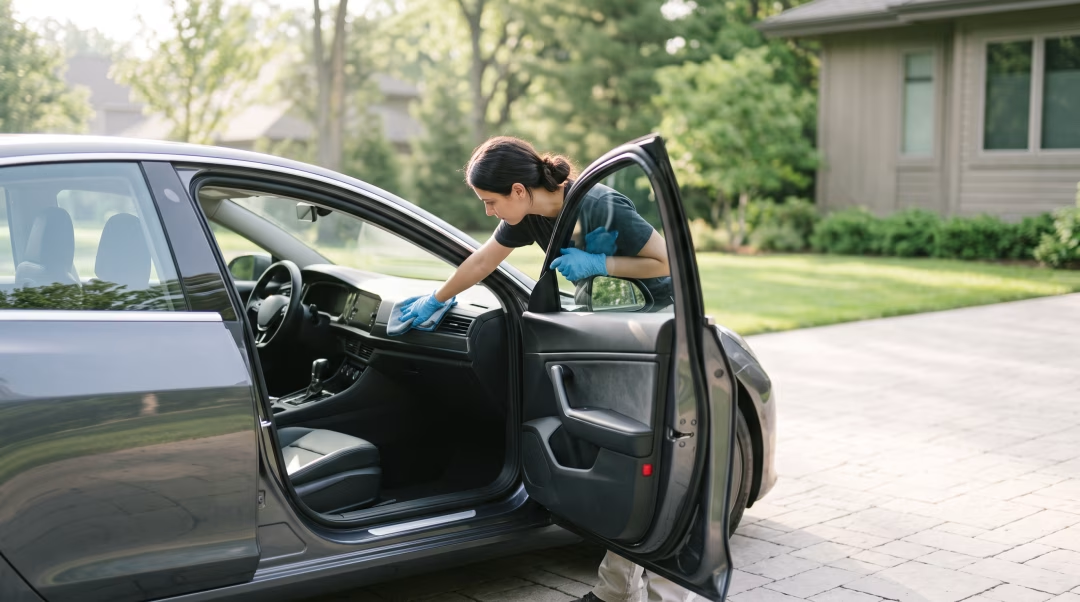
Next, wipe down all hard surfaces. Use an interior-specific cleaner and a microfiber cloth on the dashboard, steering wheel, door panels, and center console. For any stains on cloth seats or carpets, use an upholstery cleaner and follow the product's instructions carefully. If you have leather seats, use a dedicated leather cleaner and conditioner to restore their look and feel. Finally, tackle any lingering odors. A simple box of baking soda left in the car overnight can absorb many smells, and a light spray of an odor-eliminating product can neutralize any that remain. Remember to clean the inside of the windows to remove any film or smudges.
Step 4: Address Minor Mechanical Issues
You do not need to perform a major overhaul on your vehicle, and it is rarely cost-effective to fix significant mechanical problems before trading in. However, addressing small, noticeable issues shows that the car has not been neglected.
- Check Fluids: Top off the windshield washer fluid. It is a small detail that is easy and inexpensive to do.
- Replace Burned-Out Bulbs: Check all your lights, including headlights, taillights, brake lights, and turn signals. A burned-out bulb is an easy and cheap fix that prevents the appraiser from noting it as a flaw.
- Tire Pressure: Ensure all tires are inflated to the recommended pressure. This also helps you avoid any dash warning lights.
- Warning Lights: If you have a "Check Engine" light or other warning light on, it is worth getting the code read at an auto parts store. It could be a simple issue, like a loose gas cap, that you can fix yourself.
By following these steps, you are not just cleaning your car; you are preparing it to be an asset in your next vehicle purchase. A well-presented trade-in is the first step toward a great deal. When you are ready, you can value your trade online or contact us to schedule an appraisal.
Frequently Asked Questions About Prepping a Trade-In
How much does cleaning my car really affect my trade-in offer?
While it is impossible to put an exact dollar amount on it, a clean and well-presented car consistently receives a better valuation than a dirty one. It creates a positive first impression and suggests the vehicle has been well-maintained, which reduces the perceived risk and reconditioning costs for the dealership.
Should I get my car professionally detailed before trading it in?
For most vehicles, a thorough DIY cleaning is sufficient. Professional detailing can be expensive, and you may not recoup the full cost in the trade-in offer. However, if your car has significant stains, strong odors, or you simply lack the time, a professional service can be a worthwhile investment.
What if my car has mechanical problems? Should I fix them first?
It is generally not recommended to invest in major mechanical repairs before a trade-in. Dealerships can typically perform these repairs at a lower cost than you can. You are unlikely to get back the full amount you spend on the repair in your trade-in value. Be transparent about any known issues with the appraiser.
What documents do I need to bring for my trade-in?
You should bring your vehicle's title (or loan information if it is not paid off), your current registration, a valid driver's license, and any service records you have. It is also important to bring all sets of keys and key fobs that you have for the vehicle.
Does having service records increase my trade-in value?
Yes, having a complete or extensive set of service records can positively impact your trade-in value. It provides proof that the vehicle has been regularly maintained according to the manufacturer's recommendations, which gives the next owner confidence and reduces the dealership's uncertainty about its condition.
