

Filing an Insurance Claim on
a Financed Car: A Step-by-Step Guide
Dealing with a car accident is stressful enough, but when the vehicle is financed, it adds another layer of complexity. Filing an insurance claim on a car with an outstanding loan involves more than just you and your insurance provider; your lender, also known as the lienholder, has a vested financial interest in the vehicle and must be part of the process. Understanding how this three-way relationship works is crucial for a smooth claims experience. From the initial damage assessment to receiving the final payment for repairs or a total loss, the lienholder’s involvement affects how checks are issued and how the settlement is finalized. This guide will walk you through the necessary steps, clarifying the roles of each party and helping you navigate the situation with confidence. Knowing what to expect can help you protect your financial standing and get back on the road sooner.
Whether your car is repaired or declared a total loss, being prepared is your best strategy. By following the correct procedures and maintaining clear communication with both your insurer and your lender, you can manage the process effectively. If the outcome of your claim means you need to find a new vehicle, our team is here to help. We specialize in straightforward financing solutions and have a wide selection of quality pre-owned cars, trucks, and SUVs. Explore our financing area to learn more about your options.
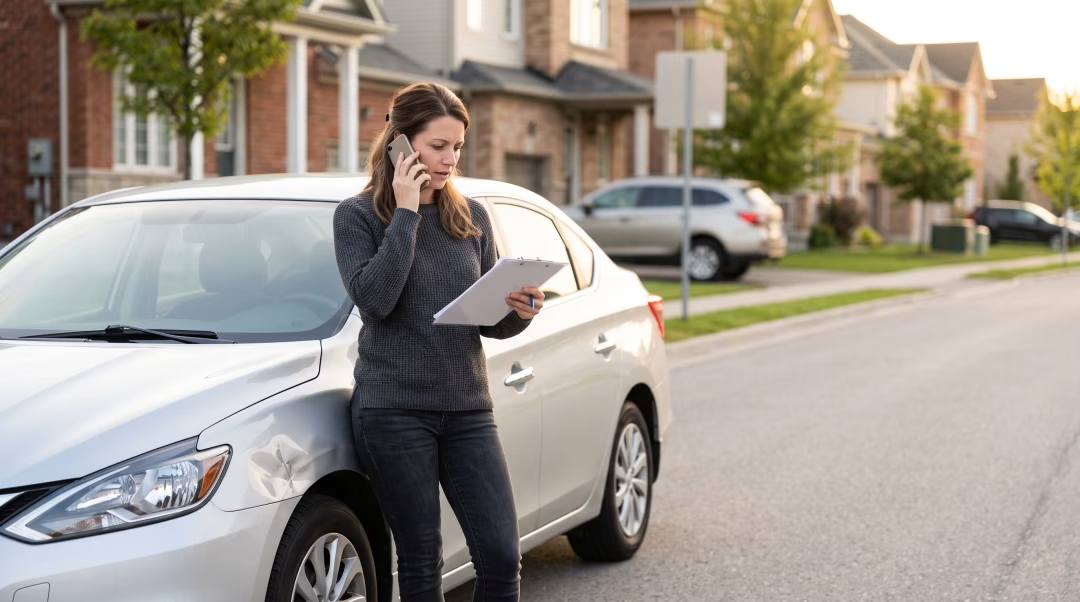
Navigating the Auto Insurance Claim Process with an Active Car Loan
An auto accident is an unexpected and often jarring event. The immediate aftermath can be confusing, but knowing the right steps to take is essential for your safety and for a successful insurance claim. This is especially true when you are still making payments on your vehicle. Because your lender is the legal owner of the vehicle until the loan is paid in full, they play a significant role in the insurance claim process. Let's break down the journey from the moment of the incident to the final resolution.
Immediate Steps to Take After an Accident
Your first priority is safety. Before you think about insurance or your loan, make sure everyone involved is okay. If you can do so safely, move your vehicle out of the flow of traffic. Once you are in a safe location, there are several key actions you should take to protect yourself and streamline the upcoming claim.
- Call for Help: Dial 911 immediately if there are any injuries or if the accident is significant. A police report is an invaluable piece of documentation for your insurance claim, providing an objective account of the incident.
- Exchange Information: Collect the name, address, phone number, driver's license number, license plate number, and insurance information from all other drivers involved. Be polite, but do not admit fault.
- Document Everything: Use your smartphone to take pictures of the accident scene from multiple angles. Capture the damage to all vehicles, skid marks, road conditions, and any relevant street signs or signals. Also, take a photo of the other driver's insurance card and license plate.
- Notify Your Insurer: Contact your insurance company as soon as possible to report the accident and begin the claims process. They will assign a claims adjuster to your case and explain the next steps.
The Lienholder's Role in Your Insurance Claim
When you finance a vehicle, you are required to list your lender as the lienholder on your insurance policy. This ensures they are notified of any incidents involving the car. The lender has a lien on your vehicle's title, which means they have a secured financial interest until the loan is fully satisfied. Consequently, the insurance settlement is designed to protect their investment as well as yours.
After you file a claim, your insurance adjuster will assess the damage. They will determine the cost of repairs or, if the damage is severe, they might declare the vehicle a total loss. This is where the process diverges. For more information on handling different credit situations after an accident, you can read our guide on buying a car after a repossession, as financial challenges can sometimes follow a major loss.
Case 1: The Vehicle is Repairable
If the adjuster determines the vehicle can be repaired, the insurance company will issue a payment for the estimated cost of repairs, minus your deductible. However, because there is a lienholder, the check will likely be made out to both you and your lender. This is called a two-party check. You will need to contact your lender to find out their specific procedure for endorsing the check so you can pay the repair shop. Some lenders may require the vehicle to be inspected after repairs are complete before they will sign off. Throughout this process, it is important to continue making your regularly scheduled car payments to avoid defaulting on your loan and impacting your credit.
Case 2: The Vehicle is a Total Loss
A vehicle is typically declared a total loss when the cost to repair it exceeds a certain percentage of its pre-accident value, as determined by state regulations and your insurance policy. When this happens, the insurance company will pay out the car's Actual Cash Value (ACV). The ACV is what the vehicle was worth immediately before the accident occurred, taking into account its age, mileage, condition, and market value.
The ACV check will be sent directly to your lender to pay off the outstanding loan balance. If the ACV is more than what you owe, the lender will take their portion, and the remaining amount will be sent to you. You can use this money as a down payment on your next vehicle. If the ACV is less than what you owe on your loan, a "gap" is created. This gap is the amount you are still responsible for paying to the lender, even though you no longer have the car. This situation highlights the importance of GAP coverage. If you purchased GAP (Guaranteed Asset Protection) coverage when you financed the car, it would typically cover this difference. Without it, you will need to make arrangements with your lender to pay off the remaining balance. Failing to do so can lead to serious credit damage.
Finding Your Next Vehicle
Losing your vehicle in an accident can be a major disruption to your life. Once your claim is settled, the focus shifts to finding a reliable replacement. Whether you have money left over from your insurance settlement or are starting fresh, we can help. At our dealership, we understand that life happens. We work with drivers from all over North Texas, including communities like Frisco and Plano, to find practical financing solutions. Our extensive used inventory offers a wide variety of cars, trucks, and SUVs to fit your needs and budget. You can even get a head start by filling out our online pre-qualification application from the comfort of your home.
Frequently Asked Questions About Insurance Claims on Financed Cars
Do I have to keep making my car payments after it's been totaled?
Yes, absolutely. Your loan agreement is a separate contract from your insurance policy. You are legally obligated to continue making your payments on time until the loan balance is paid in full, either by the insurance settlement or a combination of the settlement and your own funds. Stopping payments will result in default and negatively impact your credit score.
Why is the insurance check for repairs made out to both me and my lender?
The check is issued to both parties to protect the lender's financial interest. As the lienholder, they are a part-owner of the vehicle until the loan is paid off. By including them on the check, the insurance company ensures that the funds are used for their intended purpose: repairing the vehicle that serves as collateral for the loan.
What happens if the insurance company's value for my totaled car is less than I think it's worth?
If you believe the Actual Cash Value (ACV) offered by your insurer is too low, you can negotiate. Provide evidence to support your claim, such as recent sales of comparable vehicles in your area, records of recent upgrades or maintenance, and its excellent pre-accident condition. You can also hire an independent appraiser, though this would be at your own expense.
Can my lender tell me which body shop to use for repairs?
In most cases, you have the right to choose your own repair shop. However, your lender or insurance company may have a list of pre-approved or "preferred" shops that they have vetted and may offer lifetime warranties on the work. While you are not typically forced to use them, your lender does have the right to inspect the repairs to confirm the vehicle's value has been restored.
What is GAP insurance and should I have it on a financed car?
GAP, or Guaranteed Asset Protection, is an optional coverage that pays the difference between the Actual Cash Value (ACV) of your vehicle and the amount you still owe on your loan in the event of a total loss. Since vehicles depreciate quickly, it is very common to owe more than the car is worth, especially early in the loan term. GAP coverage is highly recommended for financed vehicles to protect you from this financial risk.
