

Ford Explorer vs Chevrolet Traverse:
A Used Family SUV Comparison
Choosing the right used family SUV can feel like a major decision. You need space, safety, reliability, and features that fit your lifestyle and budget. Two of the most popular and capable contenders in the three-row SUV segment are the Ford Explorer and the Chevrolet Traverse. For years, these American-made vehicles have battled for the top spot, each offering a distinct blend of comfort, utility, and performance. The Explorer often appeals to those who value a more rugged persona and available towing power, while the Traverse has built a reputation for its cavernous interior and smooth, car-like ride. This comparison will dive deep into the key differences between these two family haulers, helping you understand their strengths and weaknesses across various model years. By exploring their performance, cargo capacity, technology, and overall value, you can make a more informed decision for your family's next vehicle adventure.
Now that you have a better idea of what each of these impressive SUVs brings to the table, the next step is to see them in person. Exploring our used inventory online is a great way to view the specific models we currently have available. Our experienced team understands that every driver's financial situation is unique, which is why we offer flexible solutions. You can learn more about what is buy here pay here financing and even get pre-qualified from the comfort of your home.
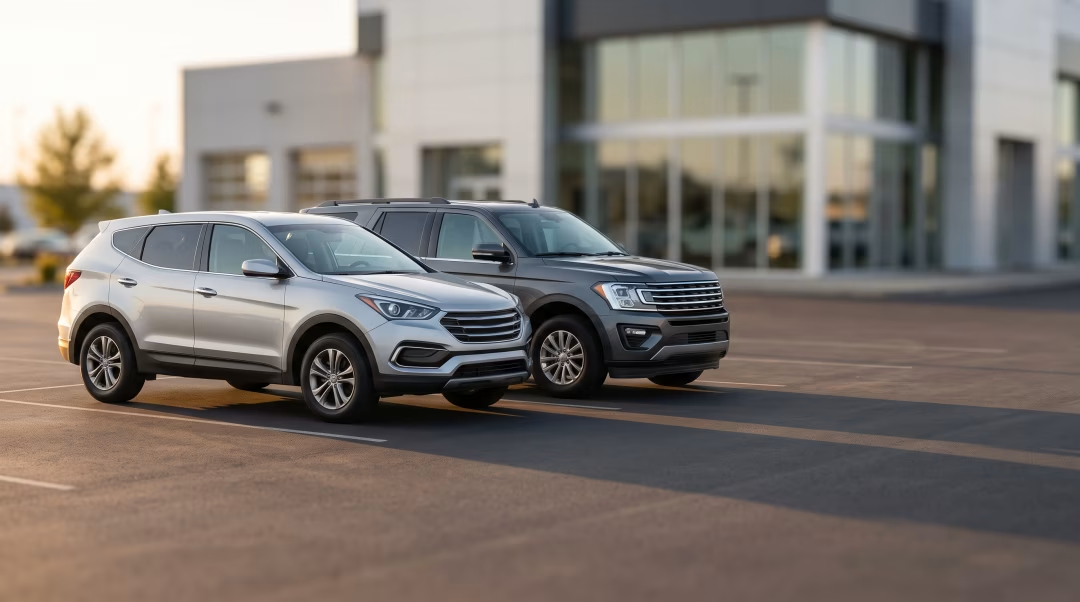
Detailed Breakdown: Used Ford Explorer vs. Chevrolet Traverse
When you are shopping for a pre-owned three-row SUV, the Ford Explorer and Chevrolet Traverse are consistently at the top of the list for families in North Texas. Both offer the passenger and cargo space needed for daily commutes, school runs, and weekend getaways. However, they achieve their goals with different philosophies in design and engineering. Understanding these distinctions is key to choosing the vehicle that will serve your family best for years to come. This detailed analysis will cover the critical aspects you need to consider, from what is under the hood to how much you can fit in the back.
Performance, Powertrains, and Driving Dynamics
The driving experience is one of the most significant differentiators between a used Explorer and a used Traverse. Their underlying platforms dictate much of their on-road character.
Most used Ford Explorers you will find (from the 2011-2019 model years) are built on a front-wheel-drive platform, with all-wheel drive being a popular option. The standard engine for this generation was typically a 3.5-liter V6, providing ample power for daily driving. Ford also offered innovative EcoBoost options, including a turbocharged 2.3-liter four-cylinder for better fuel economy and a potent twin-turbo 3.5-liter V6 in Sport and Platinum trims, which delivered V8-like acceleration. For models from 2020 onward, the Explorer returned to a rear-wheel-drive based platform, which enhances handling and towing capabilities. This newer generation often features a standard turbocharged four-cylinder or a powerful twin-turbo V6. The Explorer generally feels more athletic and responsive, with a firmer ride that communicates more of the road to the driver.
The Chevrolet Traverse, conversely, has always prioritized a smooth, comfortable, and quiet ride. It is built on a platform shared with other large crossovers, and its handling is more akin to a large car than a traditional SUV. Nearly all used Traverse models come equipped with a capable 3.6-liter V6 engine paired with a smooth-shifting automatic transmission. This powertrain is known for its reliability and provides confident, linear acceleration. While it is not as sporty as the Explorer’s turbocharged options, it is perfectly suited for comfortable highway cruising and navigating city streets. If your priority is isolating your family from road imperfections and enjoying a serene cabin environment, a used Traverse is an exceptional choice.
Interior Space, Comfort, and Third-Row Usability
For a family SUV, the interior is where the vehicle must truly shine. Both the Explorer and Traverse offer three rows of seating, but how they utilize their space differs significantly.
The Chevrolet Traverse is widely recognized as one of the most spacious vehicles in its class. Its longer wheelbase and overall size translate directly into a roomier cabin. Adults can fit comfortably in the third row for shorter trips, and children will have plenty of space. The second row, often available as either a three-person bench or dual captain's chairs, provides generous legroom and easy access to the back. The large windows and airy cabin design contribute to a feeling of openness, reducing the chances of passengers feeling cramped on long journeys.
The Ford Explorer offers a comfortable and well-appointed interior, but it is generally not as voluminous as the Traverse. The third row in most used models is best suited for children or for occasional use by adults. While the first and second rows are plenty spacious, the overall passenger volume is less than its Chevrolet rival. Where the Explorer often stands out is in its available features and upscale trim levels, which can include premium materials, advanced driver-assistance features, and a more modern-feeling cockpit design. For families who do not need to maximize third-row space on a daily basis, the Explorer’s refined interior can be very appealing.
Cargo Capacity and Everyday Utility
The ability to haul groceries, sports equipment, luggage, and home improvement supplies is a primary reason for buying a large SUV. This is another area where the Traverse's larger dimensions give it a distinct advantage.
- Chevrolet Traverse: It consistently offers more cargo space than the Explorer in every configuration. With all three rows in use, it boasts a deep and usable area for groceries or strollers. Fold down the third row, and you have a massive space for luggage or bulky items. With both the second and third rows folded flat, the Traverse provides cargo volume that rivals that of some minivans.
- Ford Explorer: The Explorer provides a respectable amount of cargo room that is sufficient for many families. The space behind the third row is tighter but still practical. Folding the seats down reveals a versatile and flat load floor. While it may not swallow as much gear as the Traverse, it is more than capable for most family tasks. Many models also feature a convenient power-folding third row, which makes switching between passenger and cargo modes incredibly easy.
When comparing, consider your specific needs. If you frequently travel with a full vehicle of passengers and their luggage, the Traverse's superior cargo volume is a compelling reason to choose it. If your cargo needs are more moderate, the Explorer's utility will likely be more than enough. Before making a final decision, we recommend you schedule a test drive to experience the size and space of each vehicle firsthand.
Technology, Safety, and Available Features
As you look at used models from the last five to seven years, you will find that both Ford and Chevrolet equipped their family SUVs with a host of modern technology. Ford's SYNC infotainment system is known for its user-friendly interface, especially in its later SYNC 3 iteration, which includes standard Apple CarPlay and Android Auto. Chevrolet’s MyLink or Infotainment systems are also straightforward and easy to use, offering similar smartphone integration.
In terms of safety, both vehicles generally perform well in crash tests. As you move into more recent used models and higher trim levels, you will find advanced driver-assistance features like blind-spot monitoring, rear cross-traffic alert, forward collision warning, and adaptive cruise control. The availability of these features varies by year and trim, so it is important to check the specific details of the vehicle you are considering. If you are uncertain about your budget, you can always value your trade online to see how your current vehicle can help with the purchase of your next one.
Frequently Asked Questions
Which is better for towing, a used Explorer or Traverse?
Generally, the Ford Explorer is the better choice for towing. Depending on the model year and engine (especially the twin-turbo V6 or models with a factory tow package), the Explorer often has a higher maximum towing capacity than the Traverse. Always verify the specific towing rating of the vehicle you are considering.
Does the Chevrolet Traverse or Ford Explorer have more cargo space?
The Chevrolet Traverse consistently offers more cargo space than the Ford Explorer. This is true whether you are measuring the area behind the third row, second row, or with all rear seats folded down. If maximum cargo hauling is your top priority, the Traverse is the clear winner.
Are the third-row seats in these SUVs comfortable for adults?
The third row in the Chevrolet Traverse is significantly more accommodating for adults and taller teenagers than the one in the Ford Explorer. While adults can fit in the Explorer's third row for very short trips, the Traverse offers more legroom and headroom, making it a more practical choice for families who frequently use all seven or eight seats.
Which SUV gets better gas mileage?
Fuel economy is very close and depends heavily on the specific engine, drivetrain (FWD vs. AWD), and model year. The Explorer's available EcoBoost four-cylinder engines can offer a slight edge in MPG over the standard V6 engines found in most Traverse models. However, in real-world driving with their respective V6 engines, the fuel consumption is often very similar.
How does financing a used SUV work if I have a challenging credit history?
We specialize in helping individuals with various credit backgrounds. As a Buy Here Pay Here dealership, we can offer in-house financing solutions that may not be available through traditional banks. Our financing process focuses on your current situation and ability to make payments. You can learn more by visiting our financing FAQ page or contacting our team directly.
