

How to Spot a Flood-Damaged
Car in Texas: A Buyer's Guide
Here in Texas, we are no strangers to severe weather, from hurricane season along the coast to flash floods in North Texas. Unfortunately, this means thousands of vehicles can be exposed to water damage each year. While many are properly reported to insurance and taken off the road, some are superficially cleaned and unscrupulously resold to unsuspecting buyers. A flood-damaged car might look clean on the surface, but hidden corrosion, electrical system failures, and mold can lead to expensive and dangerous problems down the road. Knowing how to spot the subtle signs of water immersion is a critical skill for any used car shopper in the Lone Star State. This guide will equip you with the knowledge to inspect a vehicle thoroughly, protecting your investment and ensuring your family’s safety. Arming yourself with this information is the first step toward finding a reliable vehicle from our used inventory that you can trust.
Protecting our customers is our top priority. While it is always wise for a buyer to be informed, you can have peace of mind knowing that we carefully evaluate the vehicles we offer. We believe in transparency and building long-term relationships with drivers in McKinney and the surrounding communities. Our team is dedicated to providing quality, reliable transportation options. If you have questions about a vehicle's history or our inspection process, we invite you to contact us or speak with our friendly staff.
Your In-Depth Guide to Identifying Water-Damaged Vehicles
A shiny exterior and a low price can be tempting, but what lies beneath the surface is what truly matters. Flood damage is one of the most destructive and difficult-to-remediate issues a vehicle can have. Water doesn't just make things wet; it infiltrates every component, from the engine control unit (ECU) to the safety restraint systems. Saltwater is especially corrosive, accelerating the decay of metal components and wiring. The real danger is that these problems often do not appear immediately. It can take months for the corrosion to cause critical electronic systems to fail, potentially while you are driving. Learning to be a detective during your car search is not about being paranoid; it is about being a smart and savvy consumer. This checklist will walk you through the key areas to investigate before you even schedule a test drive.
The Sensory Inspection: Trust Your Eyes, Nose, and Hands
Often, the first clues that a car has a watery past come from your own senses. Dishonest sellers can shampoo carpets and wipe down surfaces, but it is extremely difficult to eliminate all traces of a flood. Take your time and pay close attention to these sensory details.
- The Smell Test: This is your most powerful first indicator. A car that has been submerged will often have a persistent musty, mildewy, or moldy smell. Sellers may try to cover it up with strong air fresheners or ozone treatments, so be suspicious of an overwhelming "clean" or chemical scent in an older vehicle. It might be masking a deeper problem.
- The Visual Inspection: Look for signs that do not match the vehicle's age and mileage. Check for visible water lines or stains on the door panels, carpeting, and seats. Mismatched materials are a huge red flag—for example, brand-new carpeting in a ten-year-old car suggests the original was ruined and replaced. Look for silt, sand, or dirt in unusual places like the glove compartment, under the dashboard, or in the crevices of the center console.
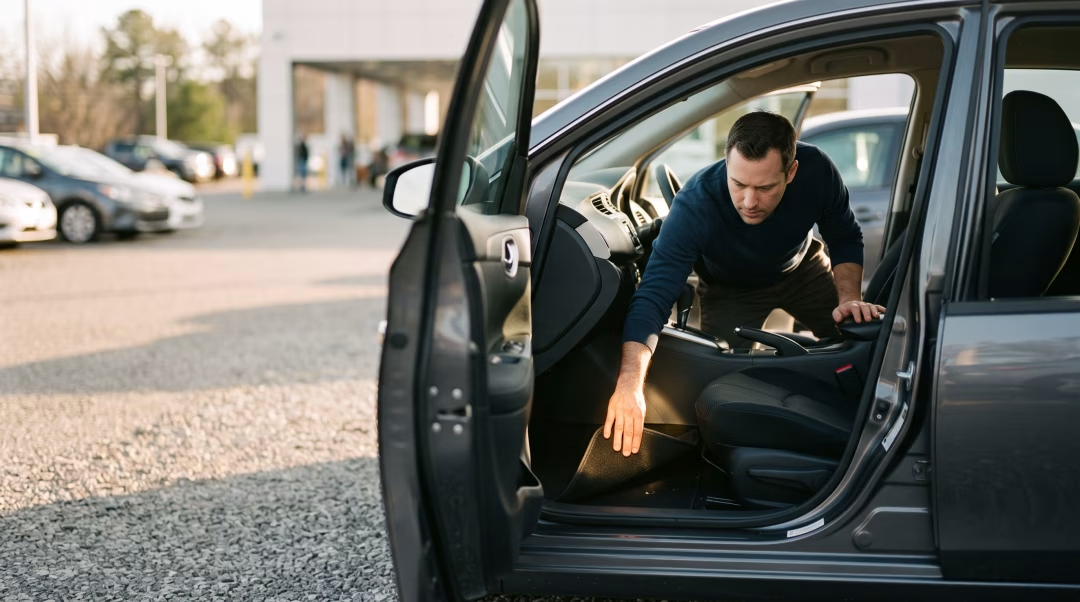
- The Touch Test: Press your hand firmly into the carpet in the footwells and in the trunk. Feel for any lingering dampness or sponginess, especially under the floor mats. Run your fingers along wiring harnesses that are accessible under the dash. Flood-exposed wires can become brittle and may crack or feel stiff when manipulated.
Drilling Down: A Detailed Component Checklist
Once you have completed an initial sensory sweep, it is time to dig deeper. This requires a bit more effort, but it is where the most definitive evidence is often found. Bring a flashlight, even during the daytime, to help you see into dark corners.
Interior Examination
The inside of the car is a treasure trove of evidence because it has so many nooks and crannies where water can hide and leave its mark.
- Under the Seats: Use your flashlight to inspect the metal seat frames, mounting bolts, and springs. These are typically untreated metal and will show signs of rust quickly if exposed to water. Flakes of rust or a uniform layer of orange-brown discoloration are clear warning signs.
- Dashboard and Gauges: Look for moisture, fogging, or condensation inside the instrument panel lenses. Turn the key to the "on" position without starting the engine and check if all warning lights illuminate and then turn off as they should. Test every single electronic function: the radio, power windows, power seats, turn signals, and climate controls. Erratic behavior could signal a compromised electrical system.
- Trunk and Spare Tire Well: This is a classic spot where water collects. Lift the trunk carpet and remove the spare tire. Inspect the painted metal well for rust, water lines, silt, or debris. This area is often overlooked by those trying to clean up a flooded car.
Exterior and Under-the-Hood Inspection
The mechanical and structural parts of the car can also tell a story. While some surface rust can be normal, especially on older vehicles in humid climates, excessive or out-of-place corrosion is a major concern.
- Lights: Check the headlights and taillight assemblies carefully. A hazy film on the inside of the lens or visible water droplets are signs that the seal has failed and water has entered. This is very difficult to dry out completely and often leaves a telltale line.
- Engine Bay: Open the hood and look for dirt, leaves, or a muddy film in places where they should not be, such as on the upper parts of the engine block or in the crevices of the alternator. Check for rust on unpainted metal parts, like screw heads and brackets. A high-water mark might even be visible as a line of discoloration or debris across the firewall. Also, check the air filter; if it is damp or shows water staining, it is a strong indicator that water was high enough to enter the engine's air intake.
- The Undercarriage: Look underneath the vehicle. While some surface rust on the exhaust or suspension components can be normal, look for premature or excessive rust that is inconsistent with the car's age. Flaking, deep rust on the frame itself is a critical safety concern.
The Final Checks: Paperwork and Professional Help
Your own inspection is vital, but it should be paired with two final, crucial steps. First, always ask for a Vehicle History Report (VHR) from a reputable source like CarFax or AutoCheck. These reports can reveal if the vehicle has ever been issued a "flood," "salvage," or "rebuilt" title in Texas or any other state. For more information, read our guide on why you should get a vehicle history report. Second, and most importantly, invest in a pre-purchase inspection (PPI) from a qualified, independent mechanic you trust. A professional technician can put the car on a lift to inspect the undercarriage thoroughly and use diagnostic tools to check for hidden electrical faults. This is the single best way to confirm a vehicle's condition before you commit to buying.
At our dealership, we welcome independent inspections because we are confident in the quality of our vehicles. We understand that drivers looking for in-house auto financing in North Texas need a reliable car that will last for the duration of their loan and beyond. We build our reputation on trust, one customer at a time.
Can a flood-damaged car look and smell perfectly normal?
Yes, it is possible, though difficult. A very meticulous scammer might go to great lengths to clean a car, replace carpeting and upholstery, and use powerful chemicals to mask odors. This is why a hands-on physical inspection of hidden areas like under the seats and in the trunk, combined with a vehicle history report and a professional mechanical inspection, is so important. A clean appearance is not enough to confirm a car is safe.
What is the difference between a "flood" title and a "salvage" title in Texas?
In Texas, a "flood" title brand is specifically used for vehicles that have been damaged by water. A "salvage" title is issued when an insurance company determines a vehicle is a total loss, which can be due to a flood, collision, theft, or other major damage. A flood-damaged car will often first be given a salvage title, which can then be followed by a "rebuilt" title if it's repaired and passes a state inspection. Always be cautious with any of these title brands.
Is it ever a good idea to buy a car with a known flood history?
Generally, it is highly inadvisable for the average car buyer. The potential for hidden, long-term electrical and mechanical problems is enormous, and these issues can be very costly to repair. Safety systems like airbags could be compromised and fail to deploy when needed. Unless you are a highly skilled mechanic who can completely dismantle and rebuild the vehicle, it is best to avoid cars with a flood history.
How can I check a car's title history for free?
You can use the National Insurance Crime Bureau's (NICB) VINCheck service. It is a free tool that can tell you if a vehicle has been reported as stolen and not recovered, or if it has been declared a "salvage" or total loss by an insurance company. While this is a good starting point, it is not a substitute for a more comprehensive vehicle history report from a paid service, which provides more detailed ownership and service records.
If I unknowingly buy a flood-damaged car, will my insurance cover future repairs?
This can be a complicated situation. If the seller actively concealed the flood damage and did not disclose a branded title, it could be considered fraud. However, your standard comprehensive insurance policy may not cover pre-existing damage. If a component fails later due to corrosion from the flood, your insurer could deny the claim. This is another reason why pre-purchase diligence is so critical to protecting yourself financially.
