

Jeep Cherokee vs. Jeep Compass: Which
Used SUV Is Right for You?
Choosing a used Jeep SUV is an exciting step, but with great options like the Cherokee and Compass, it can be tough to decide. Both vehicles proudly wear the seven-slot grille and offer a blend of everyday comfort and adventure-ready spirit, yet they are designed for distinctly different drivers. The Jeep Cherokee, a compact SUV, often provides more powerful engine options and a larger footprint, making it a strong candidate for small families or those who need extra cargo space. In contrast, the subcompact Jeep Compass delivers impressive efficiency and maneuverability, perfect for navigating city streets and tight parking spots. Understanding their core differences in size, performance, and interior layout is the key to finding the model that perfectly aligns with your lifestyle and driving needs. This guide will break down everything you need to know to make an informed choice between these two capable SUVs.
Now that you have seen some of the excellent Jeep models we have available, let's dive deeper into the details. The best vehicle for you depends entirely on your personal priorities, from your daily commute and weekend plans to your budget and passenger needs. Our in-depth comparison below explores the key areas where the Cherokee and Compass differ, giving you the clarity to select the used SUV that truly feels like it was made for you. Let's find your perfect match.
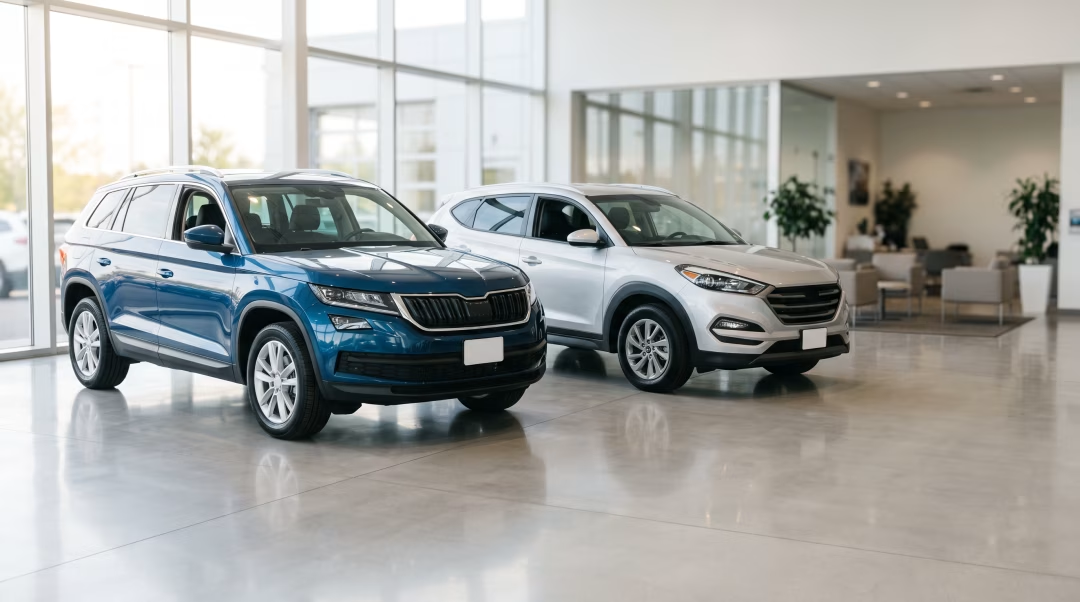
A Tale of Two Jeeps: A Detailed Comparison
When you browse our used inventory, the Jeep Cherokee and Jeep Compass consistently stand out as popular choices for drivers in McKinney and across North Texas. While they share a family resemblance and a reputation for capability, they are built on different platforms and cater to unique lifestyles. The Cherokee occupies the compact SUV segment, competing with vehicles known for their balance of utility and comfort. The Compass fits into the subcompact SUV category, emphasizing efficiency and a city-friendly size. Making the right decision involves looking past the badges and understanding how each vehicle performs in the areas that matter most to you.
Performance, Powertrains, and Off-Road Prowess
Engine performance is one of the most significant distinctions between a used Cherokee and a Compass. The Jeep Compass, especially in more recent model years, is typically equipped with a capable and efficient four-cylinder engine. This powertrain is designed to provide excellent fuel economy for daily commutes from places like Plano or Frisco, while still offering enough pep for highway merging. It is a practical and economical choice for the everyday driver.
The Jeep Cherokee, on the other hand, often provides more variety. In addition to a standard four-cylinder engine, many used Cherokee models are available with a potent V6 engine. This option dramatically increases horsepower and torque, resulting in quicker acceleration and a more robust driving feel. This extra power also makes the Cherokee the clear winner for towing. If you plan on pulling a small trailer or boat, the V6-equipped Cherokee’s higher towing capacity is a crucial advantage. For those seeking adventure, both models offer Trailhawk trims. These specialized versions are Trail Rated and come equipped with:
- Advanced 4x4 systems with low-range gearing
- Increased ground clearance and skid plates
- Distinctive red tow hooks and all-terrain tires
- The Selec-Terrain Traction Management System with Rock mode
While a Compass Trailhawk is impressively capable for a subcompact SUV, the Cherokee Trailhawk generally has an edge in more demanding off-road situations due to its available V6 power and more robust architecture. If you are serious about hitting the trails, the Cherokee is often the more suitable choice.
Interior Space, Comfort, and Practicality
The size difference between these two SUVs directly translates to interior space and practicality. As the larger vehicle, the Jeep Cherokee offers more room for both passengers and cargo. Rear-seat passengers will appreciate the extra legroom and shoulder room, making it a more comfortable option for families or for regularly driving with adults in the back. The Cherokee also boasts a larger cargo area. With the rear seats folded down, it provides significantly more cubic feet of storage, making it easier to haul bulky items, sports equipment, or luggage for a long trip. If your needs sound similar to those of many growing families, you might want to look into our guide on the best used SUVs under 15000 for North Texas families.
The Jeep Compass, while smaller, uses its space intelligently. It is perfect for individuals, couples, or young families who do not require maximum interior volume. Its smaller exterior dimensions make it a dream to park and maneuver in congested urban environments like downtown Dallas or crowded shopping centers. The cargo area is more than adequate for weekly grocery runs and weekend getaways, and the rear seats still offer comfortable accommodation for occasional passengers. For many buyers, the Compass hits a sweet spot, providing SUV utility without the bulk of a larger vehicle.
Technology and Features by Trim Level
Both the Cherokee and Compass have been offered in a variety of trims over the years, such as Latitude, Limited, and the aforementioned Trailhawk. As you compare used models, you will find a wide range of available technology. Many models feature Jeep’s highly-rated Uconnect infotainment system, with screen sizes typically ranging from 5 inches to 8.4 inches. Higher trim levels are more likely to include desirable features like Apple CarPlay, Android Auto, navigation, and premium audio systems.
Similarly, advanced safety features become more common as you move up the trim ladder. Look for models equipped with blind-spot monitoring, rear cross-traffic alert, forward collision warning, and adaptive cruise control. When evaluating a used Cherokee or Compass, pay close attention to the specific trim and optional packages it includes, as this will heavily influence the level of comfort, convenience, and safety technology you get. Regardless of your choice, our team is ready to help you navigate the financing process. You can even get pre qualified online to see where you stand.
The Verdict: Which Used Jeep Is Your Perfect Fit?
Ultimately, choosing between a used Jeep Cherokee and a used Jeep Compass comes down to a clear assessment of your needs.
**You should choose the Jeep Cherokee if:**
- You need more passenger room and a larger cargo hold for family or gear.
- You want the option of a powerful V6 engine for better acceleration and towing.
- Your plans include more serious off-roading or towing a small trailer.
**You should choose the Jeep Compass if:**
- You prioritize fuel efficiency and a lower cost of ownership.
- You primarily drive in the city and need a vehicle that is easy to park and maneuver.
- Your budget is a primary concern, as the Compass is typically more affordable.
The best way to make a final decision is to experience both vehicles firsthand. We invite you to explore our inventory online and then visit our dealership to see how they feel from behind the wheel. You can schedule a test drive to compare the ride, comfort, and visibility of each model. Our team is here to answer your questions and help you find the perfect used Jeep for your adventures ahead.
What is the main difference between a used Jeep Cherokee and a Compass?
The primary difference is size and vehicle class. The Jeep Cherokee is a compact SUV, offering more interior space, larger cargo capacity, and the potential for more powerful V6 engines. The Jeep Compass is a subcompact SUV, making it more fuel efficient and easier to maneuver in urban settings, though with less overall interior room.
Which used Jeep is better for off roading, the Cherokee or the Compass?
Both models offer a Trailhawk trim that is Trail Rated for off-road capability. However, the Jeep Cherokee generally has an edge in more demanding off-road conditions due to its larger size, higher ground clearance in comparable trims, and the availability of a more powerful V6 engine, which provides crucial torque for challenging terrain.
Does the Jeep Cherokee have more cargo space than the Jeep Compass?
Yes, absolutely. As the larger vehicle, the Jeep Cherokee offers significantly more cargo volume than the Compass, both with the rear seats in place and when they are folded down. If hauling bulky items, luggage for a family, or extensive gear is a regular need, the Cherokee is the more practical choice.
Which model typically offers better fuel economy?
The Jeep Compass typically offers better fuel economy. Its smaller size, lighter weight, and focus on efficient four-cylinder engines mean it consumes less fuel than the larger and heavier Jeep Cherokee, especially those models equipped with the V6 engine. For buyers prioritizing miles per gallon, the Compass is the stronger option.
How does financing work for a used Jeep Cherokee or Compass at your dealership?
We specialize in providing flexible financing solutions for all types of credit situations. Our in-house financing process is straightforward. You can start by filling out our secure online application. We will work with you to find a payment plan that fits your budget for the Cherokee or Compass you choose. Visit our financing area to learn more about how we can help.
