

Preparing Your Used Car for
a North Texas Ice Storm
North Texas weather is famously unpredictable, and when a winter ice storm is in the forecast, being prepared is your best defense. For used car owners, this is especially crucial. A sudden drop in temperature can expose weak points in a vehicle's systems, turning a simple commute into a significant headache. Taking proactive steps before the ice arrives can make the difference between safely weathering the storm and facing an unexpected breakdown or costly repair. This guide provides practical, easy-to-follow advice specifically for North Texas drivers to help you get your pre-owned vehicle ready for freezing rain, sleet, and icy roads. By checking key components and assembling a simple emergency kit, you can drive with greater confidence, knowing your car is as prepared as you are for whatever winter throws your way. A little preparation now ensures reliability when you need it most.
While no vehicle is completely immune to the challenges of an ice storm, a well-maintained car is far better equipped to handle them. Every vehicle in our used inventory undergoes a thorough inspection to ensure its core components are in solid condition. From batteries and tires to heating systems, we focus on reliability because we know our customers, from McKinney to Allen, depend on their cars daily. Proper preparation builds on that solid foundation, giving you peace of mind on slick roads.
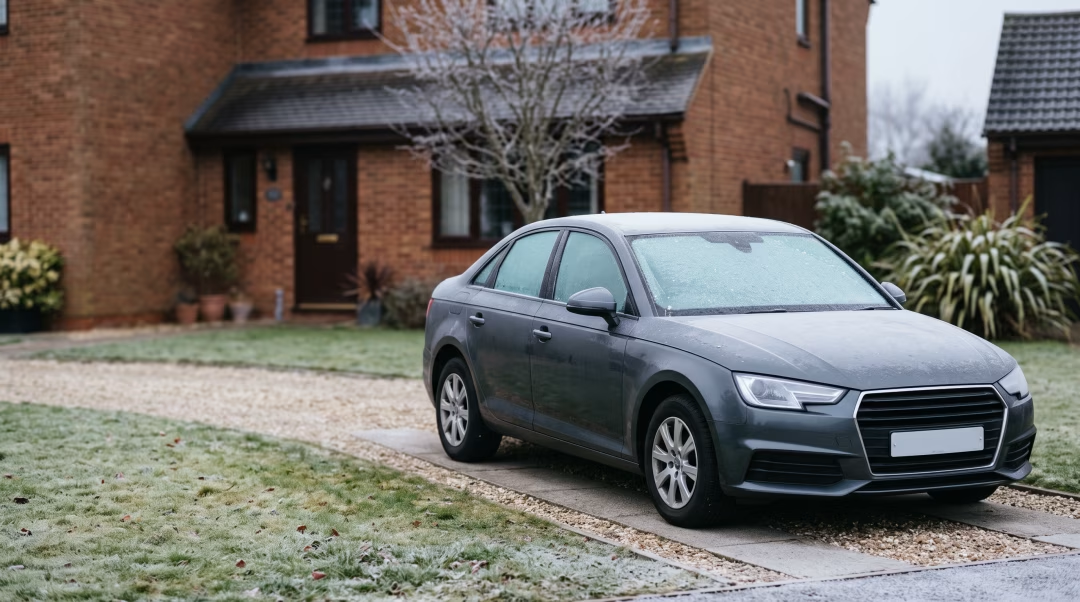
Your Complete Guide to Winter Vehicle Readiness in North Texas
When the weather forecast for Collin County and the surrounding areas mentions freezing temperatures and precipitation, it is time to act. Ice storms can develop quickly, leaving roads treacherous and putting unprepared vehicles at risk. This comprehensive guide will walk you through everything from essential mechanical checks and building a winter survival kit to safe driving techniques and post-storm care for your used car. Following these steps can help protect your investment and, more importantly, your safety on the road. Whether you commute from Plano or drive locally in McKinney, this advice is for you.
Essential Pre-Storm Mechanical Checks
Before the temperature plummets, it is wise to perform a few simple but critical inspections on your vehicle. Cold weather puts extra strain on many systems, and a small issue can quickly become a major problem in freezing conditions.
- Check Your Tires: Your tires are your only connection to the road, and their condition is paramount on ice. First, check your tire pressure. For every 10-degree drop in temperature, tire pressure can decrease by about 1 PSI. Underinflated tires have poor traction. Inflate them to the recommended PSI found on the sticker inside your driver's side door jamb. Next, inspect the tread depth. You can use the simple penny test: place a penny with Lincoln's head upside down in the tread. If you can see the top of his head, your tread is too low for safe winter driving.
- Test the Battery: A car battery loses a significant amount of its starting power in cold weather. An older, weaker battery that works fine in mild temperatures might fail to start your car on an icy morning. If your battery is more than three years old or you have noticed slow starting, have it tested at an auto parts store or by a mechanic. Look for corrosion on the terminals and clean it off with a wire brush to help improve the electrical connection.
- Inspect Wiper Blades and Fluid: Visibility is severely reduced during an ice storm. Check your windshield wiper blades for any signs of cracking, splitting, or wear. If they leave streaks, it is time for a new pair. Equally important is your washer fluid. Top off the reservoir with a de-icing or winter-specific windshield washer fluid that will not freeze. Regular blue fluid can freeze on the windshield, making visibility even worse.
- Check Your Antifreeze (Coolant): Antifreeze is vital for preventing your engine block from cracking in freezing temperatures. Ensure your coolant reservoir is filled to the proper level. The mixture should be a 50/50 blend of antifreeze and water. If you are unsure about the condition or mixture of your coolant, a technician can test it to see if it provides adequate freeze protection.
- Test All Exterior Lights: Shorter daylight hours and poor visibility during winter storms make functioning lights critical. Have a friend help you check that your headlights (both low and high beams), brake lights, turn signals, and hazard lights are all working correctly.
Building a North Texas Winter Emergency Kit
Even with a well-prepared car, getting stranded is a possibility. A well-stocked emergency kit in your trunk can be a lifesaver. You do not need to spend a lot of money; many items you may already have at home.
- An ice scraper and snow brush.
- Jumper cables or a portable jump starter.
- A flashlight with extra batteries.
- Warm blankets, gloves, hats, and a spare jacket.
- A portable phone charger or power bank.
- Non-perishable snacks like granola bars and bottled water.
- A bag of sand, salt, or non-clumping cat litter for traction if you get stuck.
- A basic first-aid kit.
Protecting Your Vehicle During the Storm
The best way to protect your car is to park it in a garage or under a carport if possible. If you must park outside, try to avoid parking under trees where ice-laden branches could fall and cause damage. You can place a tarp, blanket, or a large piece of cardboard over your windshield to make ice removal easier. Another helpful tip is to lift your wiper blades off the windshield so they do not freeze to the glass. Do not use your wipers to clear heavy ice, as this can damage the wiper motor. Finally, if your door locks freeze, you can use a commercial de-icer spray or gently warm your key with a lighter—just be careful not to melt any plastic components on the key fob.
Tips for Driving on Icy Roads
The safest advice is always to stay off the roads if you can. If you must drive, do so with extreme caution. Black ice, a thin, transparent layer of ice, is particularly dangerous because it is nearly invisible. Overpasses and bridges freeze first, so be extra careful in those areas.
- Reduce Speed: Go much slower than the posted speed limit. Everything takes longer on ice, from accelerating to braking.
- Increase Following Distance: Leave at least 8-10 seconds of space between your car and the vehicle in front of you.
- Brake Gently: Brake early and with light, steady pressure. Slamming on the brakes will likely cause your wheels to lock up and your car to skid.
- Avoid Sudden Movements: All of your actions should be slow and gentle, including steering, accelerating, and braking.
- Know How to Handle a Skid: If your rear wheels start to slide, gently turn your steering wheel in the same direction as the skid. Take your foot off the accelerator and do not brake. If your front wheels skid, take your foot off the gas and shift to neutral to allow the wheels to regain traction before gently steering where you want to go.
If you are in the market for a more capable vehicle for challenging weather, we have a great selection of used trucks and SUVs that may offer better handling in adverse conditions. You can even get pre-qualified online to understand your options better.
Is it safe to use hot water to de-ice my windshield?
No, you should never use hot water on a frozen windshield. The sudden, extreme temperature change can cause the glass to crack or even shatter. It is much safer to use your vehicle's defroster, a commercial de-icing spray, or an ice scraper.
How do I know if my tires are suitable for icy conditions?
Check your tire's tread depth using the penny test mentioned above. Adequate tread is crucial for grip. While all-season tires are common in North Texas, they are not specifically designed for ice. The most important factors are driving slowly, avoiding sudden maneuvers, and ensuring your tires are properly inflated.
Why does my tire pressure warning light come on when it gets cold?
Air contracts when it gets cold, causing the pressure inside your tires to drop. A significant temperature drop can lower the pressure enough to trigger your vehicle's Tire Pressure Monitoring System (TPMS). It is a good reminder to check your tire pressure manually with a gauge and add air as needed to meet the manufacturer's recommendation.
What is the single most important fluid to check before a freeze?
While all fluids are important, your antifreeze (coolant) is arguably the most critical to check before a hard freeze. Its primary job in winter is to prevent the water in your engine's cooling system from freezing and expanding, which can crack the engine block—a catastrophic and expensive repair.
Should I let my car idle to warm up before driving in the cold?
Modern cars do not need to idle for extended periods to warm up. Most manufacturers recommend driving gently for the first several minutes to warm up the engine, transmission, and other components more effectively. Letting the car run for 30-60 seconds is enough to get the oil circulating before you slowly pull away.
