

Protecting Your Car From The
Brutal North Texas Summer Heat
The North Texas sun is no joke. During the summer months, temperatures can soar, turning your car's interior into an oven and putting immense stress on its mechanical components. This relentless heat is more than just a comfort issue; it can cause serious, long-term damage to your vehicle. From cracked dashboards and faded paint to premature battery failure and engine overheating, the sun's rays can take a costly toll. Protecting your car is not just about keeping it looking good; it is about preserving its value, reliability, and longevity. Taking a few proactive steps can save you from expensive repairs down the road and ensure your vehicle is ready to handle the intense Texas climate. Whether you drive a daily commuter or a family SUV, understanding how to combat the heat is essential for every car owner in the DFW Metroplex.
Taking preventative measures against the summer heat is one of the smartest investments you can make in your vehicle. A well-maintained car is better equipped to handle extreme temperatures, providing you with peace of mind on every journey. This is why we carefully inspect every vehicle in our used inventory, paying close attention to critical systems like the air conditioning and engine cooling. When you are ready to find a reliable ride, you can trust that our cars have been prepared to face the Texas elements.
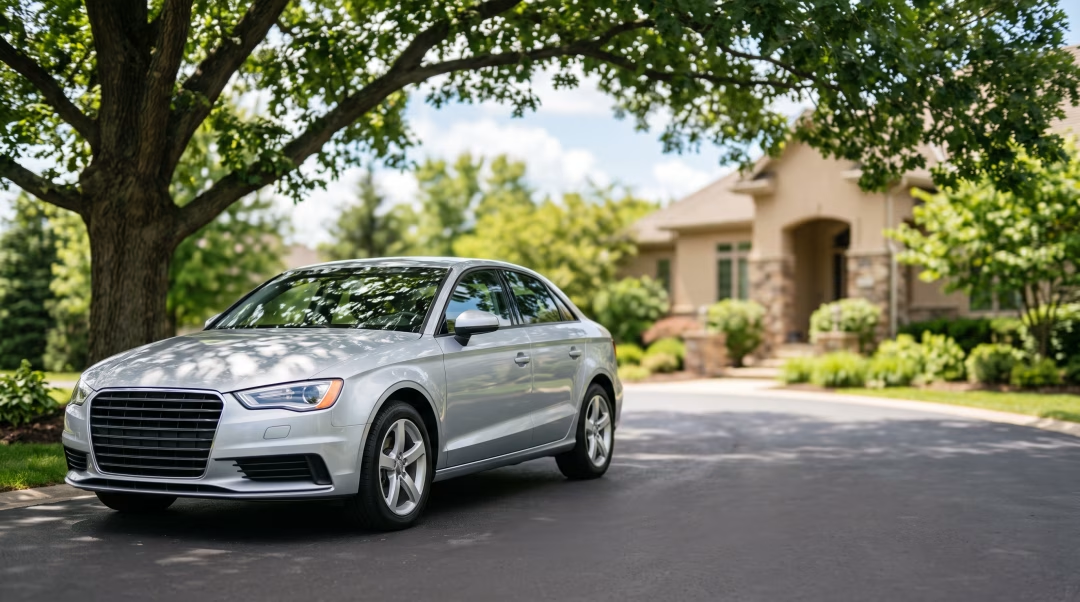
A Comprehensive Guide to Summer Car Care in North Texas
Living in North Texas means embracing the sunshine, but it also means preparing for the extreme heat that comes with it. Your vehicle is one of your most significant investments, and the summer sun can be its worst enemy. Temperatures inside a parked car can quickly climb to over 150 degrees Fahrenheit, creating a hazardous environment for both passengers and the car itself. Below is a detailed guide to help you shield your vehicle from the inside out, covering everything from the paint and interior to the essential fluids and components under the hood.
Shielding Your Car's Interior from Sun Damage
Your car's interior bears the direct brunt of the solar assault. UV rays and intense heat work together to degrade plastics, leather, and fabrics, leading to discoloration, cracking, and brittleness over time.
- Use a Windshield Sunshade: This is one of the simplest and most effective tools. A quality, reflective sunshade can significantly lower the interior temperature and block harmful UV rays from baking your dashboard, steering wheel, and front seats.
- Invest in Seat Covers: If you have leather or dark-colored fabric seats, you know how hot they can get. Seat covers, especially those made from lighter, breathable materials, protect the upholstery from fading and prevent painful burns when you first get in the car.
- Apply a Dashboard Protectant: The dashboard is particularly vulnerable to cracking. Use a high-quality interior protectant with UV blockers to create a barrier against the sun. Apply it regularly according to the product's instructions.
- Park in the Shade: Whenever possible, seek out covered parking or the shade of a large tree. Even a little bit of shade can make a huge difference in your car's internal temperature.
- Crack the Windows: If you are parked in a safe, secure area, leaving your windows cracked open just a tiny bit allows hot air to escape, preventing it from building up to extreme levels inside the cabin.
Protecting the interior is especially important for family vehicles where kids and pets spend time. Never leave children or animals unattended in a vehicle, not even for a minute, as temperatures can become deadly in a very short time.
Maintaining Your Vehicle's Exterior and Tires
The sun's assault does not stop at the glass. Your car's paint, trim, and tires are constantly exposed to the elements, and the Texas heat can accelerate their wear and tear.
Paint and Finish Protection:
The sun's UV rays can cause your car's paint to oxidize and fade, stripping away its protective clear coat and leaving it looking dull and chalky. To combat this, wash your car regularly to remove dirt, dust, and bird droppings that can bake into the finish. More importantly, apply a quality wax or ceramic coating at least twice a year. This creates a sacrificial barrier that reflects UV rays and protects the paint underneath. If you are looking to trade in your vehicle, a well-maintained exterior can significantly impact its value. You can learn more about how we determine prices by visiting our Value My Trade page.
Tire Care is Critical:
Heat causes the air inside your tires to expand, increasing the tire pressure. Driving on overinflated tires can lead to reduced traction, uneven wear, and an increased risk of a blowout, which is especially dangerous at highway speeds. Conversely, underinflated tires flex more and build up even more heat, which can also lead to failure. It is crucial to check your tire pressure regularly, preferably in the morning before the tires have heated up from driving. Refer to the sticker on your driver's side door jamb for the manufacturer's recommended PSI, not the maximum pressure listed on the tire itself. Also, inspect your tires for any cracks or signs of dry rot, as extreme heat can degrade the rubber over time.
Under the Hood: Protecting Your Car's Mechanical Systems
While cosmetic damage is frustrating, heat-related mechanical failures can leave you stranded. The engine bay is already a hot environment, and summer temperatures push every component to its limit.
Battery Health:
Most people associate battery problems with cold weather, but high heat is actually a battery's number one enemy. Extreme temperatures can cause the fluid inside the battery to evaporate, leading to internal damage and reducing its ability to hold a charge. If your battery is more than three years old, it is a good idea to have it tested before the summer heat peaks. Keep the battery terminals clean and free of corrosion. Many of the reliable commuter cars we offer are inspected to make sure they are ready for the daily drive, and that includes a battery check.
Engine Fluids and Cooling System:
Your car's fluids are its lifeblood, and heat makes them work harder. Regular fluid checks are essential:
- Engine Oil: Heat can cause oil to thin and break down more quickly, reducing its ability to lubricate and cool the engine. Stick to your vehicle's recommended oil change schedule, and consider using a high-quality synthetic oil, which often performs better in extreme temperatures.
- Coolant (Antifreeze): This is the most critical fluid for preventing overheating. Check the coolant level in the overflow reservoir regularly (when the engine is cool) and ensure it is clean. If the fluid looks rusty or has debris in it, it is time for a system flush.
- Transmission Fluid: Towing and stop-and-go traffic in the heat put immense strain on your transmission. Hot transmission fluid loses its lubricating properties, which can lead to catastrophic failure. Check the level and condition periodically.
Your car's cooling system, including the radiator, hoses, and belts, should also be inspected. Look for any cracks in the hoses or belts, as heat can cause them to become brittle and fail without warning. If you see your temperature gauge creeping into the red, pull over safely, turn off the engine, and call for assistance. Continuing to drive an overheating engine can cause irreversible damage.
Air Conditioning System:
A working AC is a necessity, not a luxury, in North Texas. If your AC is not blowing as cold as it used to, it may be low on refrigerant. A weak AC system has to work harder, putting more strain on the engine. Getting it serviced before the hottest part of the year can ensure you stay comfortable and your system runs efficiently. We pride ourselves on offering used cars with good air conditioning because we know how important it is for drivers from McKinney to Allen and beyond.
Frequently Asked Questions About Summer Car Care
How often should I check my tire pressure in the summer?
It is a good practice to check your tire pressure at least once a month and before any long road trips. During periods of extreme heat, checking every two weeks is even better. Remember to check the pressure when the tires are cold for the most accurate reading.
Is it bad to run my car's AC on full blast all the time?
While it puts a higher load on the system, modern AC systems are designed to handle it. To help it cool faster, start by rolling down the windows for a minute to let hot air escape. Using the "recirculate" setting once the cabin starts to cool will also make the AC's job easier and more efficient.
Can the sun damage my car's electronics or infotainment screen?
Yes, prolonged exposure to direct sunlight and extreme heat can damage sensitive electronics. LCD screens can temporarily darken or malfunction in high heat, and over time, the sun can degrade the internal components. Using a windshield sunshade is the best way to protect your car's tech.
What should I do if my car starts to overheat in traffic?
If you are stuck in traffic and see the temperature gauge rising, you can try turning off the air conditioning and turning on your heater to full blast. This pulls heat away from the engine and into the cabin. It will be uncomfortable, but it might prevent overheating until you can pull over safely.
Does the color of my car really make a difference in the heat?
Yes, it does. Dark-colored vehicles absorb more light and heat energy from the sun, which can result in a significantly hotter surface and interior compared to a lighter-colored vehicle like white or silver, which reflects more sunlight.
