

Texas State Vehicle
Inspection Requirements Explained
Navigating the Texas state vehicle inspection requirements is a crucial part of car ownership in the Lone Star State. Whether you are a long-time resident or new to the area, understanding this annual process is essential for keeping your vehicle legally on the road. The inspection is a two-part system designed to check for both safety compliance and, in certain counties, emissions standards. For anyone considering purchasing a pre-owned vehicle, knowing what inspectors look for provides valuable insight into the quality and road-worthiness of a car, truck, or SUV. A vehicle that can pass the state inspection is one that meets fundamental safety criteria, giving you greater confidence behind the wheel. This guide breaks down everything you need to know about the inspection process, from the specific components checked to the steps you need to take to stay compliant, ensuring your driving experience in Texas is smooth and worry-free.
Here at our dealership, we recognize that peace of mind is paramount when buying a used car. That is why we are committed to offering a quality used inventory that is ready for the road. Our team is dedicated to transparency and helping you understand every aspect of vehicle ownership, including state requirements. We want our customers from McKinney, Plano, Frisco, and beyond to drive away confident in their purchase. We invite you to learn more about what is buy here pay here financing and how we can help you find a reliable vehicle.
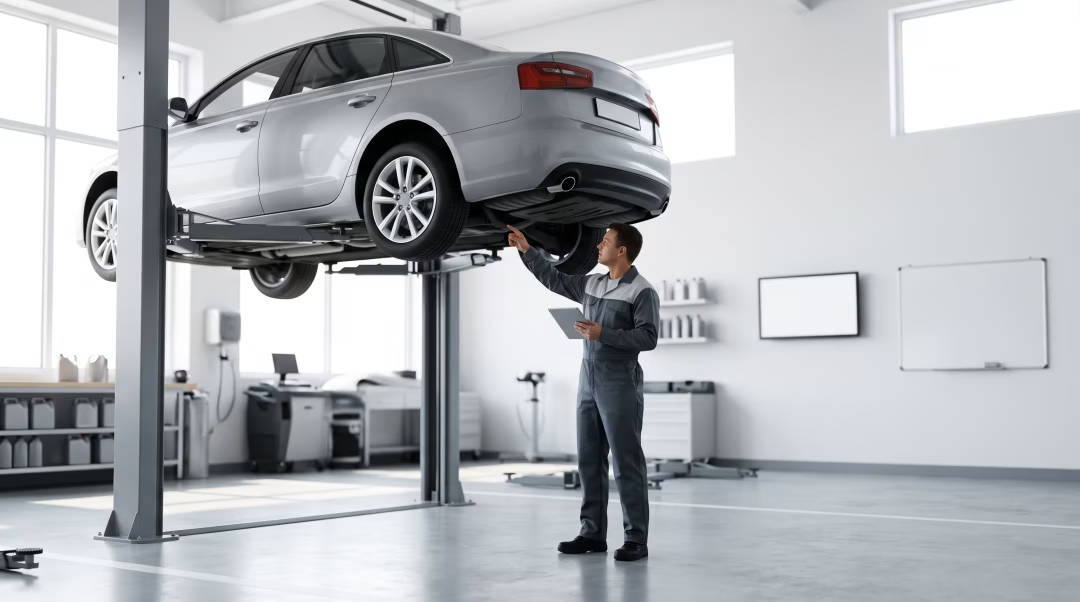
A Deep Dive into Texas Vehicle Inspection Rules
The Texas vehicle inspection program is a comprehensive system managed by the Texas Department of Public Safety (DPS) in cooperation with the Texas Commission on Environmental Quality (TCEQ). The primary goal is to ensure that all vehicles operating on public roads are safe and, in more populated areas, that they meet specific air quality standards. For many years, Texas used a two-sticker system, one for inspection and one for registration. However, the state has since transitioned to a more streamlined "Two Steps, One Sticker" program, which simplifies the process for vehicle owners by combining both into a single registration sticker.
The process is straightforward: your vehicle must pass its annual inspection before you can renew your registration. The inspection station will verify your vehicle's information electronically with the Texas Department of Motor Vehicles (TxDMV). Once your vehicle passes, you are free to complete your registration renewal online, by mail, or in person. This single-sticker system means your windshield is less cluttered and the process is more efficient, but it also makes passing the inspection a non-negotiable first step to keeping your registration current.
What Is Checked During the Safety Inspection?
The safety inspection is the foundation of the state's program and applies to all vehicles. Certified inspectors at state-licensed facilities will conduct a thorough check of your vehicle’s critical safety components. Being aware of these items can help you perform a quick check yourself before heading to the station, potentially saving you time and the hassle of a failed test. For those shopping for a used car, this checklist is an excellent guide for what to look for on a test drive.
- Braking System: This includes the foot brake, which must be able to stop the car safely, and the parking brake, which must hold the vehicle stationary.
- Lighting Systems: All lights are checked, including headlights (high and low beams), tail lights, brake lights, turn signals, and the license plate light.
- Horn: The horn must be in proper working condition and audible from a distance of at least 200 feet.
- Tires: Inspectors check for adequate tread depth (minimum of 2/32 of an inch) and look for any visible damage, such as cuts or bulges, that could make the tire unsafe.
- Steering Mechanism: The steering wheel and system are checked for excessive play or looseness to ensure responsive control.
- Seat Belts: All seat belts must be present and in good working order, free of frays and with functioning buckles.
- Windshield and Windows: The windshield cannot have cracks or chips that obstruct the driver's view. Window tint is also checked to ensure it meets state regulations for light transmission.
- Windshield Wipers: The wipers must be able to effectively clear the windshield.
- Mirrors: The vehicle must have the required rearview and side mirrors, all of which must be intact and provide a clear view.
- Exhaust System: The system is checked for any leaks, which can be both a safety hazard and an environmental concern.
- Gas Cap: For gasoline vehicles between 2 and 24 model years old, the gas cap is checked to ensure it seals properly to prevent fuel vapor emissions.
Emissions Testing Requirements in Texas
In addition to the safety inspection, vehicles registered in certain counties must also pass an emissions test. This test is part of Texas's effort to meet federal air quality standards. The requirement generally applies to gasoline-powered vehicles that are between 2 and 24 years old. The test itself is an On-Board Diagnostics (OBD) test, where the inspector connects a scanner to your vehicle's computer to check for any trouble codes related to the emissions system. If your "Check Engine" light is on, it will almost certainly result in a failed emissions test.
This requirement is geographically based. The 17 Texas counties currently requiring emissions testing are primarily in major metropolitan areas. For drivers in our area, it is important to know that this includes Collin, Dallas, Denton, Tarrant, and Rockwall counties, among others in the Dallas-Fort Worth, Houston, Austin, and El Paso regions. If you are a resident of one of these counties, both the safety and emissions tests are mandatory. When you get pre-qualified for a vehicle with us, we can help you understand all the local requirements you will need to meet.
What to Do if Your Vehicle Fails Inspection
Failing a vehicle inspection is not the end of the world, but it does require prompt action. If your car fails, the inspector will provide you with a detailed report explaining which items did not meet state standards. You then have 15 days to address the issues and return to the same inspection station for one free re-test. If you go to a different station or wait longer than 15 days, you will have to pay the full inspection fee again.
Common reasons for failure include a lit "Check Engine" light, worn-out tires, burnt-out light bulbs, or cracked windshields. Addressing these issues is not just about passing a test; it is about ensuring your vehicle is safe for you, your family, and other drivers on the road. Understanding potential repair costs is a key part of budgeting for a used car. For more information, our financing frequently asked questions page offers helpful insights into the overall cost of ownership.
How long is a Texas vehicle inspection valid for?
A passing Texas vehicle inspection is valid for 90 days. You must renew your vehicle's registration within this 90-day window. If you do not renew within that time, you will need to get another inspection before you can register the vehicle.
Do I need proof of insurance for a state inspection?
Yes, you must present proof of current liability insurance that meets the Texas minimum coverage requirements at the time of the inspection. The inspector will verify that the vehicle listed on your insurance card matches the vehicle being inspected.
Can I register my car in Texas if it fails inspection?
No, you cannot renew your vehicle's registration until it has passed the required state inspection. The "Two Steps, One Sticker" system links the inspection status directly to the registration system, making a passing inspection a prerequisite for renewal.
Which counties in North Texas require emissions testing?
In the North Texas area, emissions testing is required for vehicles registered in Collin, Dallas, Denton, Ellis, Johnson, Kaufman, Parker, and Tarrant counties. This applies to gasoline-powered vehicles from 2 to 24 model years old.
Are there exemptions for classic or antique cars?
Yes, there are exemptions. Vehicles that are 25 years or older and registered as Antiques are exempt from the safety inspection. Vehicles registered as Classic are also exempt but must meet certain criteria. However, if you drive these vehicles daily, they may still be subject to inspection requirements.
