

Trading In a Car with
Hail Damage in McKinney, TX
Discovering your car covered in dents after a Texas hailstorm can be incredibly disheartening. The thought of expensive repairs or the challenge of selling it privately can feel overwhelming. Many drivers wonder if trading in a car with hail damage is even an option. The answer is yes, it absolutely is. Here at our dealership, we understand that cosmetic imperfections are a part of a vehicle's life, especially in North Texas. We specialize in assessing vehicles in all conditions and are prepared to make you a fair offer. Instead of letting those dents diminish your car's potential, you can use its value toward a quality, pre-owned vehicle from our inventory. Trading in provides a straightforward, hassle-free alternative to navigating insurance claims and repair shops on your own. Let us help you turn a frustrating situation into a positive opportunity to upgrade your ride today.
Do not let hail damage stop you from getting the vehicle you need. Our experienced team is here to provide a transparent and honest appraisal, showing you how your current car's value can make your next purchase more affordable. We see beyond the dents and recognize the true worth of your trade-in. Explore our extensive used inventory online or visit one of our convenient locations to see how easy it is to drive away in a car you will love, regardless of the condition of your trade.
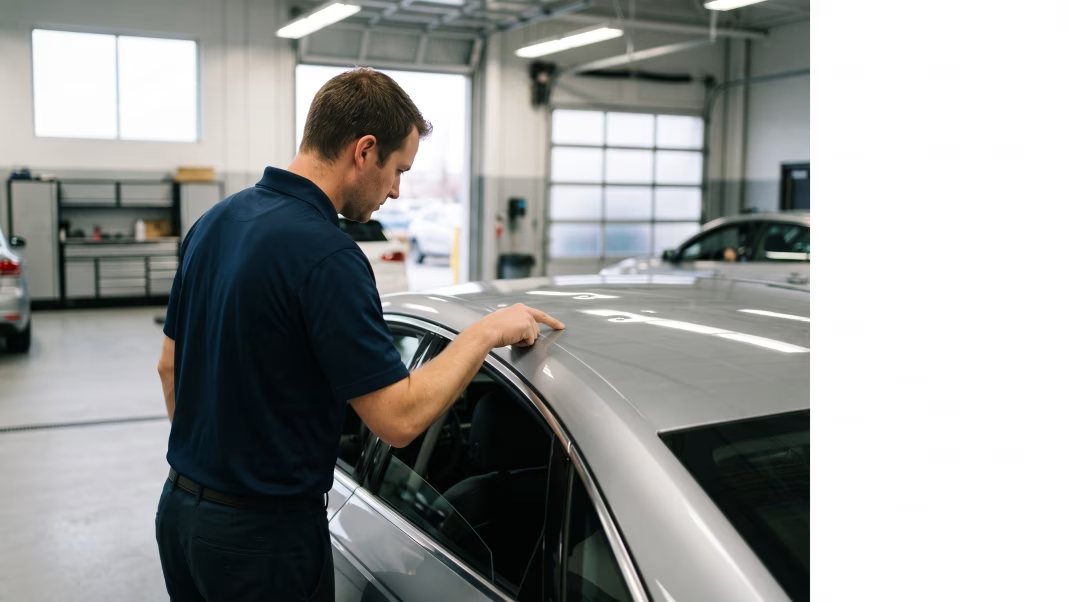
Understanding Your Options for a Hail-Damaged Vehicle
In McKinney and throughout Collin County, hailstorms are an unfortunate reality. When your vehicle is caught in one, the resulting dings and dents can significantly impact its appearance and your peace of mind. While your first instinct might be to call your insurance company and a body shop, there is another path to consider: trading the vehicle in as-is. This can often be the most efficient and financially sensible solution, especially if you were already thinking about getting a new car. At our dealership, we regularly work with customers from Plano, Frisco, and beyond who are in this exact situation. We have a streamlined process that removes the guesswork and stress, allowing you to leverage your car's equity, even with cosmetic damage.
The key is understanding how hail damage affects your car's trade-in value and what your options are. Not all damage is created equal, and our professional appraisers know how to evaluate it accurately. We look at the entire vehicle—its mechanical condition, mileage, and features—not just the surface imperfections. This holistic approach ensures you receive a fair market value. Instead of waiting weeks for repairs or dealing with the complexities of an insurance claim, you can get a concrete offer from us and apply it directly to a reliable car, truck, or SUV from our lot. Our in-house financing team can then help you structure a payment plan that fits your budget, making the entire process seamless from start to finish.
How We Assess Hail Damage on a Trade-In
When you bring your vehicle to us for an appraisal, our valuation experts follow a detailed process to determine a fair offer. We understand that hail damage can range from a few minor dings to extensive, widespread denting. Our goal is to assess the severity and calculate the potential cost of repair, which is then factored into the overall trade-in value. We do not automatically disqualify a vehicle due to cosmetic issues.
Here are the main factors our team considers during the appraisal:
- Severity and Density: We examine the number of dents per panel (e.g., hood, roof, trunk). A few scattered dents will have a much smaller impact on value than a vehicle with hundreds of dents covering every horizontal surface.
- Size of Dents: The diameter of the dents matters. Smaller, dime-sized dents are often easier and cheaper to repair using Paintless Dent Repair (PDR) than larger, quarter-sized or half-dollar-sized impacts.
- Paint Condition: We check if the hail cracked or chipped the paint within the dents. If the paint is broken, more extensive and costly bodywork is required, which will have a greater effect on the appraisal value.
- Panel Material: The cost to repair hail damage on an aluminum hood or panel is typically higher than on a standard steel panel. Our appraisers are knowledgeable about these differences.
- Glass and Light Damage: We inspect the windshield, windows, and light covers for any cracks or chips caused by the hail, as these components will need to be replaced.
Our transparent process means we will walk you through our findings. You can get a preliminary idea of what your car is worth by using our online Value My Trade tool before you even visit. This gives you a solid starting point for our discussion.
Should You Repair the Damage Before Trading In?
This is one of the most common questions we hear. The decision to repair hail damage before trading in your vehicle depends on several factors, including your insurance coverage and the severity of the damage. In many cases, trading the car in "as-is" is the most practical choice. Filing an insurance claim will likely result in a comprehensive claim on your record, and you will still be responsible for the deductible. The cost of your deductible might be close to, or even more than, the difference in trade-in value between the damaged and repaired state.
Furthermore, dealerships have access to wholesale repair services and PDR technicians who can fix the damage for significantly less than the retail cost you would pay. Because of this, the amount we deduct from the trade-in value for hail damage is often less than what you would spend out-of-pocket on repairs. You save yourself the time, the hassle of dealing with body shops, and a potential insurance rate increase. By trading it in directly to us, you get a fair value and can immediately move forward with purchasing your next vehicle. If you are unsure, feel free to contact us to discuss your specific situation. Our staff is happy to provide guidance without any obligation.
Frequently Asked Questions About Trading a Car with Hail Damage
Will you accept my car as a trade-in even with significant hail damage?
Yes, we accept trade-ins with all levels of hail damage. Our expert appraisers will evaluate the vehicle's overall condition, including its mechanical reliability and features, to make you a fair and competitive offer. We see the potential in every vehicle and understand that cosmetic damage is common in our area.
How much will hail damage lower my trade-in value?
The impact on your trade-in value depends on the severity of the damage. Factors like the number of dents, their size, and whether the paint is broken are all considered. Our appraisal process calculates the estimated cost of repair at our wholesale rates, and this amount is adjusted from the vehicle's market value. The deduction is often less than what you would pay for a retail repair.
Should I file an insurance claim before trading in my car with hail damage?
This is a personal decision, but often it is more advantageous to trade the vehicle in without filing a claim. You avoid paying a deductible and having a comprehensive claim on your insurance history, which could raise your rates. We recommend getting a trade-in offer from us first to help you compare your options.
What if my insurance company declares my car a total loss due to hail?
If your car is declared a total loss, your insurance company will pay you its assessed value. You may have the option to "buy back" the car from the insurer with a salvage title. While we can sometimes accept vehicles with salvage or rebuilt titles, it is a complex situation. Please discuss the specifics with our team so we can provide the best advice for your circumstances.
Can I use the trade-in value of my hail-damaged car as a down payment?
Absolutely. The value of your trade-in, even with hail damage, can serve as an excellent down payment on your next vehicle. This can help lower your monthly payments and improve the terms of your financing. Many customers find this is a great way to get into a newer, more reliable car without a large out-of-pocket expense.
