

What to Look For On a
Used Car Test Drive: Your Complete Guide
The test drive is arguably the most crucial step in the used car buying journey. It is your opportunity to move beyond the vehicle history report and visual inspection and truly understand how the car performs in the real world. This is not just a quick trip around the block; it is a comprehensive evaluation of the vehicle's mechanical health, comfort, and suitability for your daily needs. A thorough test drive can reveal underlying issues that are not apparent when the car is stationary, helping you make a confident and informed purchasing decision. By knowing exactly what to look for, listen for, and feel for, you can turn a simple drive into a powerful diagnostic tool. This guide will walk you through every aspect, from pre-drive checks to on-the-road assessments, so you can get behind the wheel with purpose and drive away with peace of mind in your next pre-owned vehicle.
Now that you have found a few potential vehicles in our used inventory, it is time to put your knowledge into practice. A prepared driver is an empowered buyer. Remember, our team is here to facilitate a no-pressure test drive experience, giving you the time and space you need to properly evaluate any car, truck, or SUV on our lot. We encourage you to be thorough and ask questions. Our goal is to help you find a reliable vehicle that you will love for years to come.
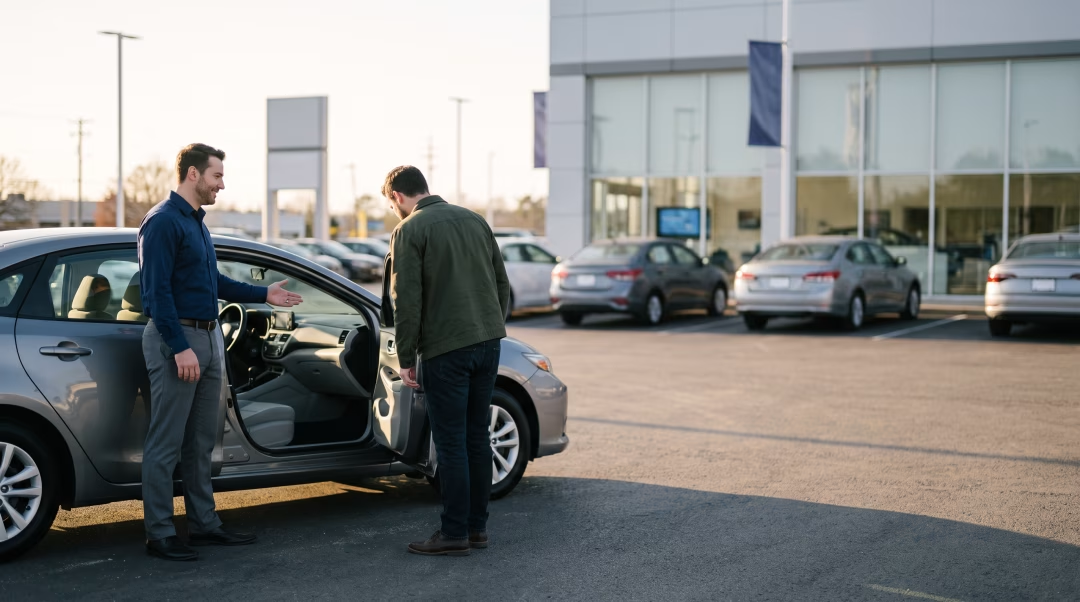
Your Pre-Drive Inspection Checklist
Before you even turn the key, a detailed walk-around inspection can provide valuable clues about the vehicle's history and condition. Do not rush this process. Spend at least 15-20 minutes examining the car from every angle, both inside and out. This initial check helps you build a baseline impression of the car and identify specific areas to focus on during the drive itself.
- Exterior Body and Paint: Look down the sides of the car for dents, dings, and scratches. Check for inconsistent paint color or texture between panels, which could indicate a past repair. Ensure all body panels line up evenly.
- Tires and Wheels: Check the tires for tread depth and uneven wear patterns. Uneven wear can signal alignment or suspension problems. Inspect the wheels for curb rash or cracks.
- Glass and Lights: Examine the windshield for any chips or cracks. Test all exterior lights, including headlights (high and low beams), brake lights, turn signals, and reverse lights.
- Under the Hood: Even if you are not a mechanic, you can spot obvious issues. Look for signs of fluid leaks, cracked hoses, or frayed belts. Check the oil and transmission fluid levels and condition if possible.
The Interior Deep Dive
The cabin is where you will spend all your time, so make sure it is comfortable, functional, and free of unpleasant surprises. Sit in every seat to check for comfort and space. Adjust the driver's seat, steering wheel, and mirrors to your preferred position. This is also the time to test every button, switch, and knob to confirm everything is in working order.
- Smell Test: Be wary of strong air fresheners that might be covering up musty, moldy, or smoke odors. Turn on the air conditioning and heat to see what smells come from the vents.
- Electronics and Features: Systematically test everything. This includes the radio, infotainment system, Bluetooth connectivity, navigation, power windows, power locks, sunroof, and all charging ports.
- Upholstery and Surfaces: Check for excessive wear, tears, stains, or cracks on the seats, dashboard, and door panels. Lift up the floor mats to inspect the condition of the carpet underneath.
- Warning Lights: When you first turn the key to the "on" position (without starting the engine), all the dashboard warning lights should illuminate briefly and then turn off. If any lights stay on, it indicates a potential problem.
Behind the Wheel: What to Evaluate on the Road
The on-road portion of your test drive should cover a variety of driving conditions. Plan a route that includes city streets, a highway or faster-moving road, and if possible, some uneven pavement. Turn the radio off so you can focus on the sounds and feel of the vehicle. If you have questions about financing before you drive, you can explore our financing area or read our financing frequently asked questions.
Engine and Transmission Performance
Pay close attention to how the engine and transmission work together. Acceleration should be smooth and responsive, not sluggish or hesitant. When you press the gas pedal, the car should respond promptly. The transmission should shift through gears almost seamlessly, without any loud clunks, jerks, or whirring noises. Test this under both gentle and firm acceleration to see how it performs in different scenarios.
Braking System Check
Brakes are a critical safety component. As you drive, find a safe place with no traffic behind you to test the brakes at various speeds. The brake pedal should feel firm and responsive, not spongy or soft. The vehicle should stop in a straight line without pulling to one side. Listen for any high-pitched squealing, grinding, or scraping noises, as these are clear indicators that the brake pads or rotors may need to be replaced.
Steering and Suspension Feel
The steering and suspension determine the car's handling and ride quality. The steering should feel tight and precise. When you turn the wheel, the car should respond immediately. There should not be excessive play or looseness in the steering wheel. Drive over a few bumps or a rough patch of road to test the suspension. The car should absorb the bumps without excessive bouncing or rattling noises. Listen for any clunking sounds from the suspension, which could suggest worn-out components.
Highway Speed Assessment
Driving at highway speeds (55-70 mph) can reveal issues that are not noticeable in city driving. Check for any vibrations in the steering wheel, floor, or seats, which could point to an unbalanced tire or other issues. The car should feel stable and track straight without needing constant steering correction. Test the cruise control to make sure it engages, holds speed, and disengages properly. This is also a good time to listen for excessive wind or road noise, which could indicate a problem with door seals.
Post-Drive Final Checks
After you have completed your driving route and parked the car, the evaluation is not quite over. Pop the hood one more time to look for any new leaks or smoke. Take a moment to reflect on your experience. Did the car meet your expectations? Was it comfortable? Did you notice any red flags? Discuss any concerns with the salesperson. A transparent dealership will be happy to address your questions. If you are ready to move forward, you can always get pre-qualified to better understand your financing options.
How long should a used car test drive be?
Aim for a test drive that lasts at least 30 minutes. This gives you enough time to experience the car in a variety of conditions, including city traffic, open roads, and at highway speeds. A short 10-minute loop around the block is not sufficient to uncover potential issues or to truly assess if the car is a good fit for you.
What documents should I bring for a test drive?
You will need to bring your valid driver's license and proof of insurance. The dealership needs to verify that you are a licensed driver and that you have insurance coverage before allowing you to take a vehicle out on the road. It is a standard procedure for legal and liability reasons.
Should I try to test drive the car from a cold start?
Yes, if possible. A cold start, where the engine has not been run for several hours, is the best way to identify certain issues. Problems like piston noise, rough idling, or exhaust smoke are often more apparent when the engine is cold. An engine that has been warmed up by the dealer might hide these symptoms temporarily.
Can I take a used car to my own mechanic for an inspection?
Reputable dealerships will typically allow you to take a vehicle for a pre-purchase inspection (PPI) by an independent, certified mechanic of your choice. This is a highly recommended step, as a professional can spot issues that the average buyer might miss. You will be responsible for the cost of the inspection, but it can save you from costly repairs down the road.
What if I notice a minor issue during the test drive?
Do not ignore it. Point out any issue you notice, no matter how small, to the salesperson immediately after the drive. Whether it is a rattle, a sticky button, or a slight pull in the steering, it is important to address it. The issue may be a simple fix that the dealership is willing to address before the sale, or it could be a factor in your negotiation on the final price.
