

Essential Car Battery Care Tips
for Surviving the Texas Heat
Here in North Texas, we all know the summer sun can be relentless. While many drivers worry about their car battery failing in the winter, the truth is that intense heat is a far greater enemy to your vehicle's power source. The scorching temperatures we experience in McKinney and across the state can significantly shorten a battery's lifespan. High heat accelerates the chemical reactions inside the battery, causing vital fluids to evaporate and leading to internal damage that can leave you stranded at the most inconvenient times. Understanding how to provide proper car battery care in the Texas heat is not just about maintenance; it is about ensuring your vehicle remains reliable day in and day out. Proactive steps can help you avoid the frustration and expense of a dead battery when you least expect it, keeping you on the road and on schedule.
A healthy battery is the heart of your vehicle's electrical system, and its condition is a key indicator of overall reliability. We believe every driver deserves peace of mind, which is why the vehicles in our used-inventory undergo a thorough inspection process. Our team pays close attention to essential components like the battery to ensure they meet our standards. By focusing on the health of each vehicle we offer, we help you drive away with more confidence, knowing your car is ready for the demands of Texas roads.
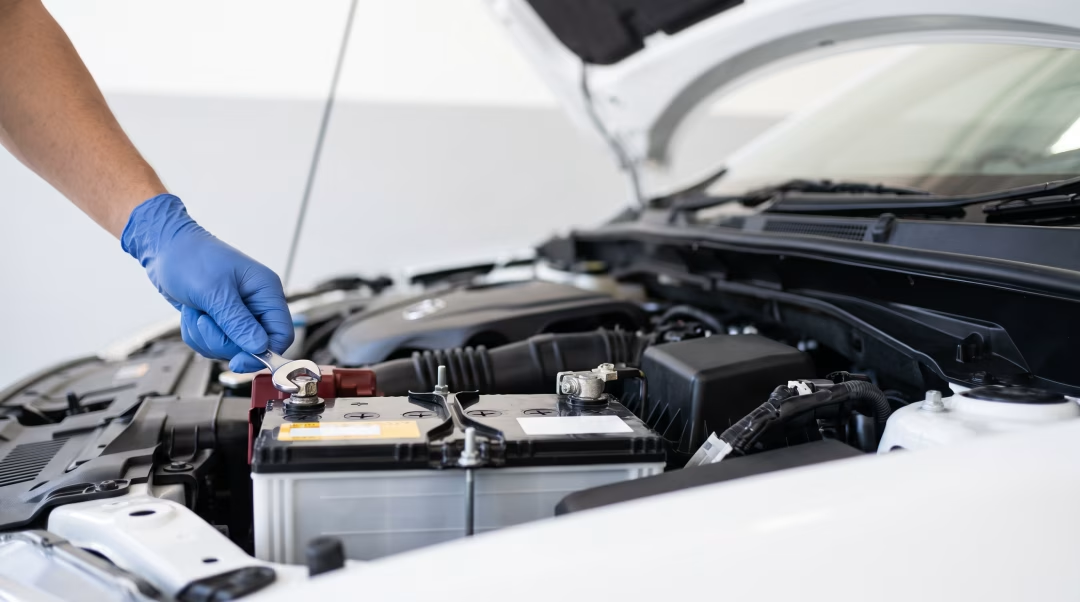
Why Blistering Heat is Your Battery’s Biggest Enemy
It is a common misconception that cold weather is what truly kills a car battery. While frigid temperatures can make it harder for a weak battery to start your engine, the real damage is often done during the sweltering summer months. Your car's battery operates through a delicate chemical process, and extreme heat throws that process into overdrive.
Think of the area under your hood as an oven. On a 95-degree day, the temperature in the engine bay can easily exceed 140 degrees Fahrenheit. This intense environment causes the water in the battery's electrolyte solution to evaporate more quickly, exposing the lead plates and concentrating the acid. This leads to sulfation, a process where lead sulfate crystals build up on the plates, hindering their ability to hold a charge. Furthermore, the heat accelerates corrosion on the battery terminals and connectors, which restricts the flow of electricity and can prevent your car from starting. Over time, this cumulative damage weakens the battery's internal structure, making it more susceptible to failure when you need it most.
Proactive Steps for a Healthier Battery in North Texas
You do not have to be a victim of the Texas heat. A few simple, proactive maintenance habits can dramatically extend the life of your car battery and help you avoid a surprise breakdown. Incorporating these tips into your routine can save you time, money, and stress.
- Park in the Shade: Whenever possible, park your car in a garage, under a carport, or in a shady spot. Reducing the vehicle's direct exposure to sunlight helps keep under-hood temperatures lower, slowing down fluid evaporation and chemical degradation inside the battery.
- Keep It Clean: Dirt, grease, and grime on top of the battery case can actually create a slow electrical discharge, draining power over time. Periodically wipe the top of the battery with a clean cloth. Pay special attention to the terminals, cleaning away any corrosion with a wire brush and a mixture of baking soda and water.
- Limit Short Trips: Frequent, short drives do not give your alternator enough time to fully recharge the battery. The energy used to start the engine needs to be replenished. Try to combine errands into longer trips to ensure your battery gets a sufficient charge.
- Get Regular Battery Tests: The best way to know the health of your battery is to have it tested. Most auto parts stores and service centers offer free battery testing. We recommend having it checked before the peak of summer and again before winter. This simple test can reveal a weakening battery before it fails completely. For more details on vehicle inspections, review our guide on how-to-inspect-a-used-car-before-you-buy.
- Ensure It Is Secure: A loosely mounted battery can vibrate excessively as you drive, which can cause internal damage and shorten its life. Check that the battery hold-down clamps are tight and the battery does not move.
Warning Signs of a Failing Car Battery
Your car will often give you clues that its battery is on its last legs. Paying attention to these warning signs can help you address the issue before you are left needing a jump-start or a tow. If you notice any of the following symptoms, it is time to have your battery and charging system inspected.
- Slow Engine Crank: When you turn the key or press the start button, the engine turns over sluggishly instead of starting up quickly. This is often the first and most common sign of a weak battery.
- Dim Lights and Electrical Issues: A dying battery may struggle to power your car's electronics. You might notice your headlights and interior lights are dimmer than usual, especially when you start the car.
- Dashboard Warning Light: Many modern vehicles have a battery or check engine light that will illuminate if the battery's power is weak or there is an issue with the alternator.
- Corroded Terminals: A buildup of a white, blue, or greenish substance on the metal parts of your battery (the terminals) is a sign of corrosion. This buildup can interfere with the electrical connection and indicates a potential problem.
- Bloated Battery Case: If the sides of your battery case look swollen or bloated, it is a clear sign that it has been damaged by excessive heat and needs to be replaced immediately.
- Old Age: Most car batteries have a lifespan of three to five years. In a hot climate like Texas, you may be on the lower end of that range. If your battery is over three years old, it is wise to have it tested regularly. If you are facing costly repairs, it might be time to see what you can get-pre-qualified for.
Frequently Asked Questions About Car Battery Care
How long do car batteries typically last in the Texas heat?
While car batteries in cooler climates can last five years or more, the intense heat in Texas often shortens that lifespan considerably. On average, you can expect a car battery to last around two to four years here. Regular testing and proactive care are crucial to maximizing its life.
Is a more expensive battery better for surviving the heat?
Often, premium batteries, such as AGM (Absorbent Glass Mat) types, are better sealed and more resistant to vibration and heat damage than conventional flooded-cell batteries. While they have a higher upfront cost, their enhanced durability can make them a worthwhile investment for Texas drivers.
Does running the air conditioning drain the battery faster?
When your engine is running, the alternator powers the air conditioning and other electronics, not the battery. The battery's main job is starting the car. However, a struggling alternator might not be able to keep up with the demand from the AC, causing the battery to be drained. A healthy charging system is key.
What is the white, crusty stuff on my battery terminals?
That powdery substance is corrosion, typically lead sulfate. It is caused by battery acid vapor reacting with the metal terminals. This corrosion acts as an insulator, restricting the flow of electricity. It should be cleaned off carefully with a wire brush and a baking soda solution to restore a proper connection.
Can I test my car battery's health by myself at home?
You can get a basic reading of your battery's voltage using a multimeter. A healthy, fully charged battery should read around 12.6 volts or higher when the car is off. However, a professional battery tester provides a more comprehensive analysis, including its cranking amps and overall health, which is a more reliable way to predict failure.
