

High-Mileage Used Cars: A Smart
Buy or a Risky Gamble?
The number on a car’s odometer often causes hesitation for buyers, but does it tell the whole story? For many drivers in McKinney and across North Texas, a high-mileage used car represents an incredible opportunity, not a risk. With modern engineering, vehicles are lasting longer than ever before, making the old 100,000-mile benchmark a thing of the past. Opting for a vehicle with more experience on the road can unlock significant financial benefits, including a much lower initial purchase price and slower depreciation. This means you could potentially afford a higher-trim model with more features than you would find in a newer, more expensive alternative. The secret isn't avoiding high-mileage cars altogether; it is about knowing how to evaluate them properly. A well-maintained vehicle with a detailed service history can be a dependable and intelligent purchase that provides reliable transportation and exceptional value for years to come.
A higher number on the odometer should not automatically disqualify a vehicle from your search. The most critical factors determining a car's future reliability are its maintenance history and overall condition, not just the miles it has traveled. A car that has been meticulously cared for can offer dependable service far beyond what its mileage might suggest. At our dealership, we believe in the potential of these vehicles, which is why we offer a diverse selection. Explore our used inventory to find a high-mileage car that fits your budget and lifestyle.
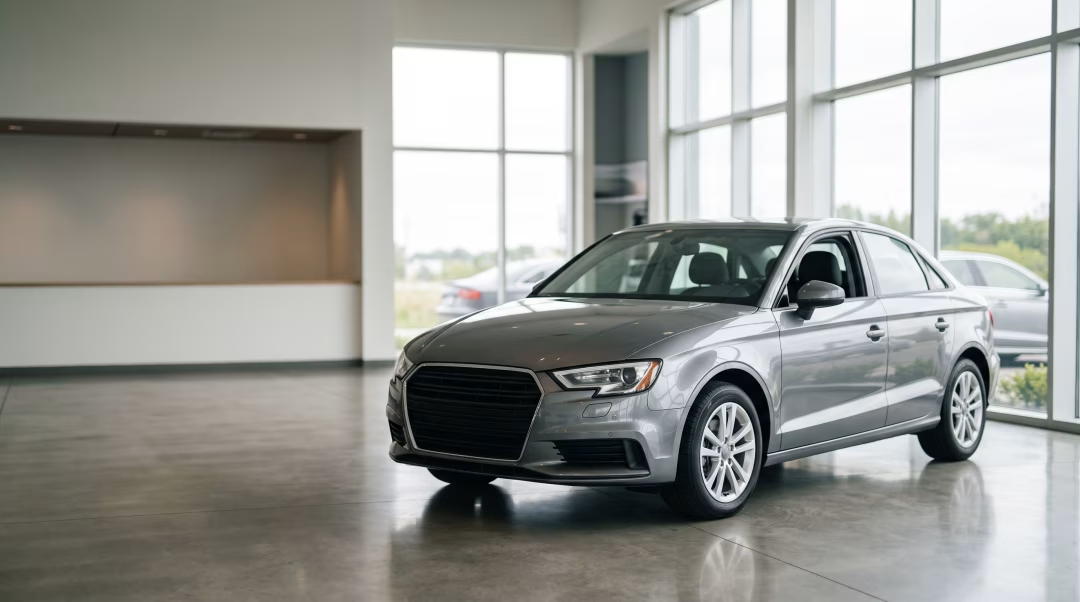
Demystifying "High Mileage" in Today's Automotive World
For decades, the 100,000-mile mark was seen as the point where a car's life was effectively over. That perception is now outdated. Thanks to advancements in manufacturing, engine technology, and lubricants, today's vehicles are engineered to last well over 200,000 miles with proper care. So, what is considered "high mileage" now? A better way to look at it is through the lens of average use. The typical American drives between 12,000 and 15,000 miles per year. A five-year-old car with 75,000 miles is right on track, while a three-year-old car with the same mileage has seen higher-than-average use. However, the type of miles is just as important as the quantity. A vehicle used primarily for long-distance highway commuting endures far less wear and tear than one used for constant stop-and-go city driving.
The Financial Advantages of Choosing a High-Mileage Vehicle
The most compelling reason to consider a car with more miles is the significant cost savings. These vehicles can open doors for buyers on a budget, especially those who may be rebuilding their credit. Here are some of the key benefits:
- Substantially Lower Purchase Price: The primary advantage is the upfront savings. A vehicle with 120,000 miles will be priced significantly lower than a similar model with 60,000 miles, making it an excellent option for budget-conscious shoppers. This can lead to a more manageable payment plan, which you can explore through our in-house financing options.
- Reduced Depreciation: A new car loses a substantial portion of its value in the first few years. A high-mileage car has already experienced this steep depreciation curve. This means the value you pay is closer to its actual value, and it will depreciate much more slowly going forward.
- Potentially Lower Insurance Premiums: The cost of auto insurance is often tied to the car's value. Since a high-mileage car typically has a lower replacement value, insurance premiums are often more affordable. You can learn more about insurance requirements for financed cars on our blog.
- Access to More Features: The savings from buying a high-mileage vehicle might allow you to purchase a luxury or higher-trim model that would otherwise be out of your price range. This means you could enjoy features like leather seats, advanced safety technology, and premium audio systems for the price of a newer, base-model car.
Understanding the Risks and How to Navigate Them
While the benefits are clear, it is equally important to be aware of the potential risks associated with higher-mileage vehicles. The primary concern is the increased likelihood of needing repairs as components naturally wear out over time. Parts like the alternator, water pump, suspension components, and transmission parts have a finite lifespan. However, you can mitigate these risks with a proactive approach. The single most powerful tool at your disposal is information. Insisting on a comprehensive vehicle history report can reveal past accidents, title issues, and sometimes even service records. Pairing this information with a thorough inspection gives you a much clearer picture of the vehicle's health and helps you anticipate future needs.
Your Essential High-Mileage Pre-Purchase Checklist
Making a smart purchase comes down to due diligence. By following a structured approach, you can confidently identify a reliable high-mileage car and avoid potential problems. Use this checklist as your guide:
- Research Reliable Models: Some vehicles have earned a reputation for longevity. Do your homework to identify car, truck, and SUV models known for their durability and relatively low long-term maintenance costs.
- Perform a Thorough Visual Inspection: Before you even start the engine, walk around the car. Look for signs of rust, uneven tire wear (which can indicate alignment issues), and fluid leaks under the vehicle. Check the condition of belts and hoses under the hood. Our guide on how to inspect a used car provides more detail.
- Take a Comprehensive Test Drive: A drive around the block isn't enough. Try to drive the car on different types of roads, including city streets and highways. Pay close attention to how the engine performs, how the transmission shifts, and how the brakes feel. Listen for any unusual noises. Feel free to schedule a test drive with us to take your time.
- Review All Available Maintenance Records: A thick file of service records is a great sign. It shows that previous owners were diligent about oil changes, fluid flushes, and scheduled maintenance, which is crucial for a vehicle's long-term health.
- Consider a Pre-Purchase Inspection (PPI): For ultimate peace of mind, consider having the vehicle inspected by a trusted, independent mechanic before you buy. They can put the car on a lift and spot potential issues that are not visible during a standard inspection or test drive.
The Verdict: A High-Mileage Car Can Be a Very Smart Buy
A used car with high mileage is not something to be feared; it is an opportunity to be explored. By shifting your focus from the number on the odometer to the vehicle's condition, history, and maintenance record, you can uncover outstanding deals. These vehicles provide a practical path to ownership, especially for buyers who need affordable and reliable transportation. When you combine diligent research with the transparency and support of a reputable dealership, a high-mileage car becomes one of the smartest buys on the market. If you have more questions or are ready to explore your options, please contact us or visit our dealership today.
How many miles is too many for a used car?
There is no longer a magic number. A well-maintained vehicle with 150,000 highway miles can be in better mechanical condition than a neglected vehicle with 80,000 city miles. The focus should always be on the car's maintenance history, current condition, and the results of a thorough inspection rather than the mileage alone.
Are highway miles better than city miles?
Yes, generally speaking. Highway driving involves consistent speeds and fewer stops, which puts less stress on the engine, transmission, and brakes. In contrast, stop-and-go city driving causes more wear and tear on these critical components over time. A car with mostly highway miles is often a better bet.
What are some of the most reliable high-mileage car brands?
While reliability can vary by specific model and year, brands like Toyota and Honda have historically built strong reputations for producing vehicles that last well into high mileage. Many domestic models from brands like Ford, Chevrolet, and GMC are also known for their durability, particularly in trucks and SUVs. It is always best to research the specific model you are interested in.
Can I get financing for a high-mileage car?
Yes. We understand that affordable transportation is a necessity, which is why we offer flexible financing solutions. As a Buy Here Pay Here dealership, we can often assist buyers who may have difficulty getting approved elsewhere. We look at your overall financial situation, and financing a higher-mileage vehicle is a common practice. You can even get pre-qualified online to start the process.
Is it more expensive to maintain a high-mileage vehicle?
It can be, as components will eventually wear out and need replacement. However, the substantial savings on the initial purchase price often more than offset potential future repair costs. The key is to be proactive and budget for routine maintenance and potential repairs. This approach helps keep your vehicle running smoothly without unexpected financial strain.
