

Summer Used Car Buying
Tips for North Texas
Buying a used car in North Texas during the summer presents a unique set of challenges and opportunities. The intense heat, often soaring into triple digits, is the ultimate stress test for any vehicle's most critical systems. From the air conditioning and cooling system to the battery and tires, the Texas sun can reveal hidden issues that might go unnoticed in milder weather. This makes summer an ideal time for a savvy buyer to perform a thorough evaluation. By knowing what to look for, you can turn the demanding climate into your advantage, identifying a reliable vehicle that is truly ready for the road. This guide provides essential tips specifically for navigating the DFW and North Texas used car market when the temperature rises, helping you make a confident and informed purchase that will keep you cool and comfortable all year long. Let us help you find a quality car that has been inspected to handle the Texas heat.
Our goal is to help you find a dependable vehicle that fits your life and your budget. We understand that credit challenges can happen to anyone, which is why we offer flexible in-house financing solutions. Our team is dedicated to a straightforward and respectful process, focusing on your stability and income rather than just a credit score. We invite you to explore our diverse used-inventory of cars, trucks, and SUVs, each carefully selected to meet the demands of driving in North Texas.
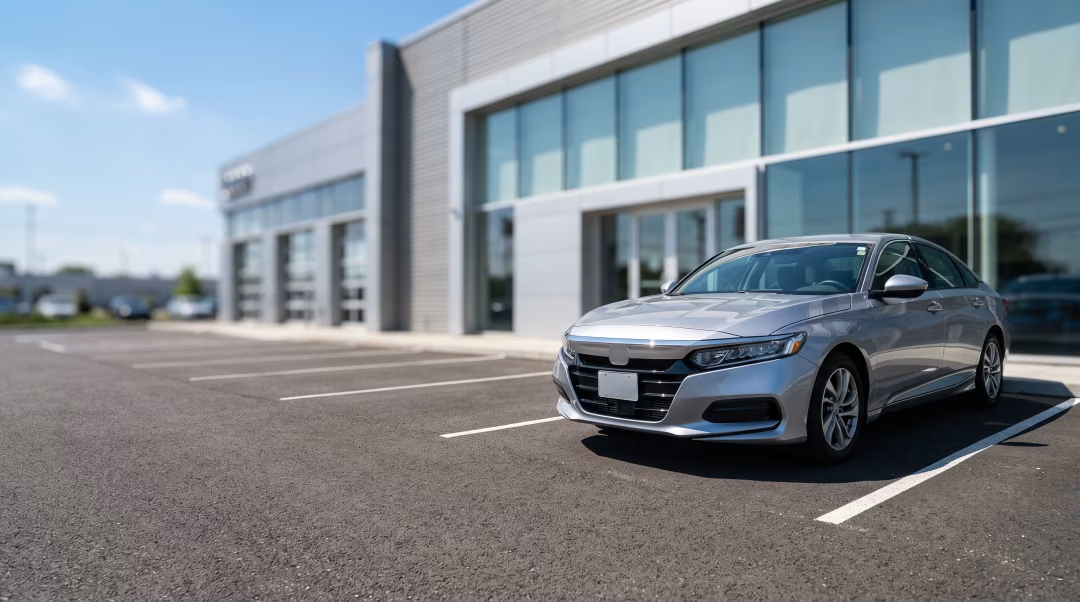
Navigating the North Texas Heat: A Buyer's Guide
The summer car buying season in areas like McKinney, Plano, and Frisco is unlike anywhere else. The relentless sun and high humidity don't just affect us; they put immense strain on vehicles. A car that runs perfectly in spring might show its weaknesses when the asphalt starts to sizzle. Understanding these heat-related pressure points is your best tool for finding a durable and trustworthy used car. This guide will walk you through the key areas to inspect, questions to ask, and steps to take to secure a vehicle that will not let you down during a Texas summer.
The Air Conditioning System: Your Top Priority
In North Texas, a vehicle's air conditioning is not a luxury; it is a necessity for safety and comfort. When inspecting a used car, the A/C system should be the first thing you test. Do not just turn it on—put it through its paces. Here is how:
- Start the car and immediately turn the A/C to its highest fan speed and coldest setting.
- Place your hand over a vent. The air should feel cool within a minute and ice-cold within two to three minutes.
- Listen for any unusual noises from the compressor, like loud clicking or grinding, which could signal a costly repair.
- Check for any musty or strange odors coming from the vents, which could indicate mold or mildew in the system.
A weak or non-functional A/C can be a significant expense. If it is not blowing cold, the issue could be as simple as needing a refrigerant recharge or as complex as a failed compressor. For more information, check out our guide on used cars with good air conditioning for Texas summers.
Under the Hood: Cooling System, Battery, and Fluids
The engine bay is where the summer heat does its most critical work. A vehicle's ability to manage high temperatures is vital for its longevity and your peace of mind. Before you even start the car, pop the hood and perform a visual inspection.
Cooling System: The radiator, hoses, and coolant reservoir are the heart of the engine's temperature regulation. Look for any signs of coolant leaks, which often appear as greenish, pinkish, or orange crusty residue around hose connections or on the radiator itself. Check the rubber hoses for cracks, bulges, or excessive softness. A compromised cooling system is a primary cause of summer breakdowns.
Battery Health: Extreme heat is a car battery's worst enemy, accelerating corrosion and causing fluid to evaporate. Many modern batteries have a "magic eye" indicator to show their state of charge. Look for corrosion around the terminals (a white or bluish powdery substance). A battery that is more than three or four years old may be nearing the end of its life, especially in Texas. Read more about car battery care in Texas heat to understand the risks.
Fluids: Check the engine oil and transmission fluid levels using their respective dipsticks. The oil should be a clear amber color, not dark black or milky. Low or dirty fluids can indicate poor maintenance, which is exacerbated by high-heat driving conditions.
Tires and Brakes: Your Connection to the Hot Pavement
Hot asphalt can significantly affect your tires and braking system. Tire pressure increases with heat, so an overinflated tire is at greater risk of a blowout. Before a test drive, inspect the tires for:
- Sufficient Tread Depth: Use the penny test. If you can see all of Lincoln's head, the tires need replacing.
- Uneven Wear: Wear on the edges or in the center can indicate alignment or suspension problems.
- Cracks and Bulges: Check the sidewalls for any signs of dry rot or damage, which are weaknesses that can fail under high temperatures.
During your test drive, pay close attention to the brakes. Listen for squealing or grinding noises and feel for any pulsation or vibration in the pedal. Heat can cause brake components to expand and can degrade brake fluid over time, reducing stopping power when you need it most.
Interior and Exterior Sun Damage
The Texas sun can be brutal on a car's appearance. While cosmetic, signs of sun damage can indicate how the vehicle was stored and cared for. On the exterior, look for faded or peeling paint, particularly on the roof, hood, and trunk. Check plastic trim and headlight covers for hazing or discoloration. Inside, inspect the dashboard for cracks, which are common in vehicles frequently parked outdoors. Check the upholstery for fading and brittleness, especially on leather seats. These details can give you leverage in negotiations and provide insight into the vehicle's history.
Financing Your Vehicle in the Summer
Finding the right car is only half the journey. Securing financing, especially if you have faced credit challenges, can feel daunting. At our dealership, we specialize in Buy Here Pay Here (BHPH) financing, which means we are both the dealer and the lender. This allows us to look beyond a simple credit score and consider your whole financial picture, including your job and residence history. For many drivers in Collin County and the surrounding areas, this is a practical path to vehicle ownership. Our process is designed to be transparent and straightforward. You can even get pre-qualified online to understand your options before you visit. We believe in helping our community members get the reliable transportation they need, no matter the season.
Why is buying a used car in the summer a smart move in North Texas?
The intense summer heat in North Texas acts as a natural stress test for a vehicle. It can expose underlying issues with the A/C, cooling system, and battery that might not be apparent in cooler weather. This gives you a better opportunity to assess the car's true condition and reliability.
What is the most important thing to check on a used car during a Texas summer?
Without a doubt, the air conditioning system is the most critical component to test thoroughly. A weak or failing A/C is not just a comfort issue but a potential safety concern in triple-digit temperatures. Verifying that it blows ice-cold air quickly is essential before making a purchase.
How does summer heat affect a car's battery life?
Extreme heat is harder on a car battery than cold. High temperatures can cause the liquid inside the battery to evaporate and accelerate internal corrosion, leading to a shorter lifespan. It is wise to check the age of the battery and look for any signs of corrosion on the terminals when inspecting a used car.
Are there specific things to look for on a test drive in hot weather?
Yes. During your test drive, run the A/C on its highest setting and monitor the engine's temperature gauge to ensure it stays in the normal range. Listen for any engine straining or knocking sounds, which can be amplified by the heat. Also, pay attention to how the transmission shifts, as high temperatures can worsen existing transmission problems.
Should I be concerned about sun damage to a car's interior?
While often cosmetic, significant sun damage like a cracked dashboard or faded, brittle upholstery can indicate that a vehicle was consistently parked outdoors and may not have been meticulously cared for. It can also hint at the condition of other rubber and plastic components on the car that have been exposed to the same harsh UV rays.
