

Used Car Maintenance
Schedule for High-Mileage Vehicles
Purchasing a high-mileage used car is an excellent way to get a dependable vehicle at a fantastic value. Once a car surpasses the 100,000-mile mark, however, its maintenance needs change. The factory-recommended schedule that guided its early life is no longer sufficient. To keep your vehicle running smoothly for years to come, you need a proactive maintenance plan tailored for mature vehicles. This involves more frequent inspections and paying closer attention to specific components that experience wear over time. Sticking to a consistent high-mileage service schedule is the key to maximizing longevity, preventing costly surprise repairs, and protecting your investment. It transforms a simple purchase into a long-term, reliable transportation solution. By understanding what your vehicle needs as it ages, you can drive with confidence, knowing you are doing everything possible to keep it safe and dependable on the road.
A vehicle with over 100,000 miles has proven its durability, but its future reliability depends on diligent care. Think of this as a partnership with your car; the more you invest in preventive maintenance, the more it will reward you with dependable performance. Following a dedicated schedule helps catch small issues before they become major problems, saving you time, money, and stress. It is the smartest way to ensure your high-mileage car continues to be a trusted part of your daily life.
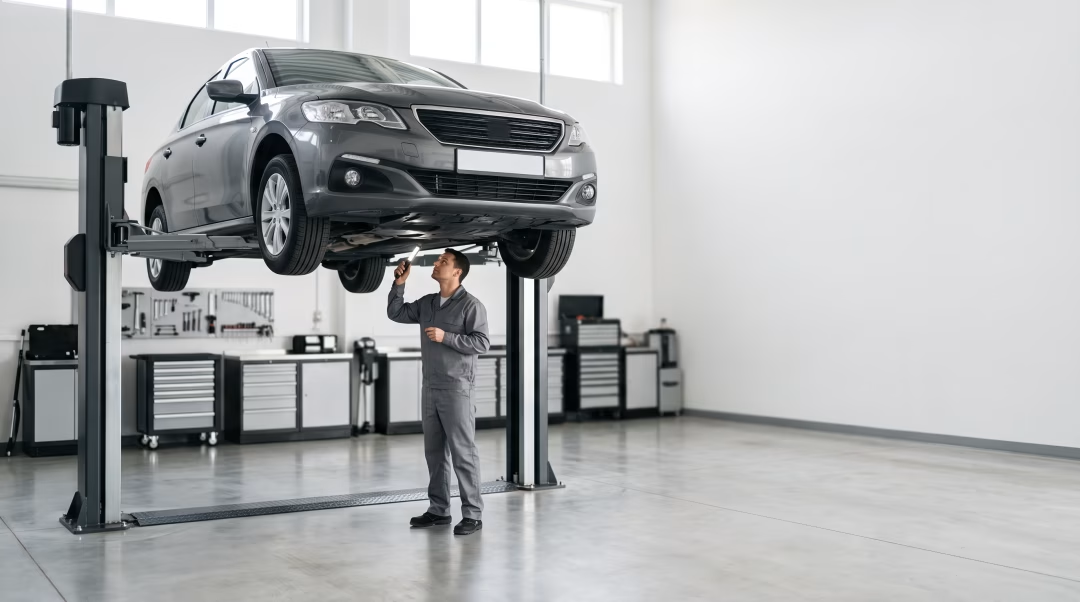
The Ultimate Maintenance Guide for Your High-Mileage Vehicle
When a car crosses the 100,000-mile threshold, it enters a new phase of its operational life. Components that have worked tirelessly for years begin to show signs of age. While modern vehicles are built to last longer than ever, they are not immune to wear and tear. A proactive and detailed maintenance schedule is not just a suggestion; it is essential for safety, reliability, and preserving the value of your automobile. Ignoring this can lead to a domino effect where one failing part puts stress on others, resulting in more complex and expensive repairs down the line. By shifting from a standard maintenance mindset to a high-mileage one, you are actively extending the lifespan of your car.
This guide provides a comprehensive framework for caring for your seasoned vehicle. We will break down maintenance into regular intervals and highlight the critical systems that require your attention. Whether you are a hands-on owner who enjoys weekend projects or you prefer to work with a trusted mechanic, this schedule will empower you to make informed decisions about your car's health. For those considering an older, higher-mileage car, understanding these service needs is crucial. A well-maintained vehicle from our used inventory can be a smart and affordable choice, especially when you are prepared to care for it properly.
The Every Drive and Weekly Checklist
The most effective maintenance starts with being attentive. Before you even turn the key, do a quick walk-around. Look at your tires. Do they look properly inflated? Are there any visible signs of damage? Once a week, take a moment to check your exterior lights, including headlights, brake lights, and turn signals. Inside the car, pay attention to new sounds, smells, or dashboard warning lights. These small, consistent checks can alert you to a problem in its earliest stages.
Core Maintenance: Every 5,000 to 7,500 Miles
This interval is the foundation of your high-mileage care plan. It is frequent enough to catch developing issues and address the most common service items that keep your engine healthy.
- Oil and Filter Change: This is the single most important maintenance task. For high-mileage engines, consider using an oil specifically formulated for older vehicles. These oils contain additives that can help condition seals and reduce consumption.
- Tire Rotation and Inspection: Rotating your tires ensures they wear evenly, extending their life and improving handling. While they are off, it is the perfect time for a technician to inspect your brake pads, rotors, and calipers.
- Fluid Level Checks: Top off essential fluids as needed, including coolant, power steering fluid, brake fluid, and windshield washer fluid. A sudden drop in any of these levels could indicate a leak that needs immediate attention.
- Inspect Belts and Hoses: Visually check the serpentine belt for cracks, fraying, or glazing. Squeeze the radiator hoses (when the engine is cool) to check for excessive softness or hardness, which can indicate they are nearing the end of their life.
Intermediate Service: Every 15,000 to 30,000 Miles
Building on the core services, these intervals address components that wear more slowly but are just as critical to your vehicle's operation. Performing these tasks helps maintain fuel efficiency and engine performance.
- Engine Air Filter Replacement: A clogged air filter restricts airflow to the engine, which can reduce horsepower and fuel economy. This is an inexpensive and easy replacement that has a significant impact.
- Cabin Air Filter Replacement: This filter cleans the air that comes through your car's HVAC system. Replacing it improves air quality inside your vehicle and helps your AC and heater function more efficiently.
- Fuel System Cleaning: Over time, carbon deposits can build up in your engine's fuel injectors. Using a quality fuel system cleaner additive can help restore lost performance and improve fuel atomization for a more complete combustion.
- Battery and Charging System Test: Have your battery terminals cleaned and the battery's health tested. A technician can also check the alternator's output to make certain it is properly charging the battery.
Major Service Milestones: Every 60,000 to 100,000 Miles
These milestones involve more intensive inspections and the replacement of key long-life components. While some of these services can be more costly, they are vital for preventing catastrophic failures of your car's most important systems.
- Transmission Fluid and Filter Service: The lifeblood of your transmission is its fluid. For high-mileage vehicles, a drain-and-fill or a full fluid exchange is critical to remove old, broken-down fluid and contaminants, which helps ensure smooth shifting and prolongs transmission life.
- Coolant Flush: Old coolant (antifreeze) can become acidic and lose its anti-corrosive properties. A complete flush of the cooling system removes rust and scale, protecting your radiator, water pump, and engine from overheating.
- Spark Plug Replacement: Worn spark plugs can cause misfires, poor fuel economy, and hard starting. Replacing them restores engine performance and efficiency. If your vehicle has spark plug wires, it is wise to replace those at the same time.
- Timing Belt Replacement (If Applicable): This is arguably the most critical maintenance item for vehicles with timing belts instead of timing chains. A snapped timing belt can cause catastrophic engine damage. Check your owner's manual for the specific interval, but do not ignore this service.
- Suspension Inspection: Shocks, struts, ball joints, and tie rods all wear out over time. A thorough inspection of these parts can identify issues that affect ride quality, tire wear, and safety.
Proper care is a journey, not a destination. By staying on top of this schedule, you can keep your high-mileage vehicle performing its best for many more miles. If you have questions about a specific car or need assistance with your automotive journey, do not hesitate to contact our team.
What is officially considered a high-mileage vehicle?
While there is no single official definition, most industry experts and drivers consider a vehicle to have high mileage once it surpasses 100,000 miles. At this point, many of the original long-life components are nearing the end of their intended service life, and a more vigilant maintenance approach becomes necessary to ensure continued reliability.
Should I use synthetic oil in my high-mileage car?
Using synthetic oil is generally beneficial for all engines, but it can be particularly helpful for high-mileage ones. Synthetics offer better protection against breakdown at high temperatures and improved flow in cold weather. Many brands also offer "high-mileage" synthetic blends that include special additives to help condition aging seals and reduce oil consumption, making them an excellent choice.
How often should I have the transmission fluid checked?
For a high-mileage vehicle, it is a good practice to have the transmission fluid level and condition checked at every oil change. A technician can spot fluid that is dark, burnt-smelling, or low, which are early indicators of potential issues. A full transmission service, including a fluid and filter change, should typically be performed every 60,000 to 100,000 miles, depending on the manufacturer's recommendations and your driving habits.
Is a used car with 150,000 miles still a good purchase?
A car with 150,000 miles can absolutely be a great purchase if it has been well-maintained. The vehicle's service history is more important than the number on the odometer. A car with a documented history of regular oil changes and timely major services is often a more reliable choice than a lower-mileage car with a questionable maintenance past. Proper inspection is key, and you can learn more about what to look for before you buy.
What are some common warning signs of trouble in older cars?
Be alert for several key warning signs. These include new noises like grinding or squealing from the brakes, clunking sounds from the suspension, or a whining noise that changes with engine speed. Watch for fluid leaks under the car, difficulty starting, a rough idle, or a noticeable decrease in fuel economy. Any of these symptoms warrant a professional inspection as soon as possible to prevent a small problem from escalating.
