

How to Protect Your Car
During the Unpredictable Texas Hail Season
Here in North Texas, blue skies can turn ominous in a matter of minutes. The familiar rumble of thunder often brings an unwelcome guest: hail. Texas hail season can be a stressful time for any vehicle owner, as storms can produce ice capable of causing significant cosmetic and structural damage. From small dings to shattered windshields, the aftermath of a hailstorm can be costly and frustrating. Understanding the risks and preparing ahead of time is your best defense against the unpredictable weather. This guide offers practical strategies and tips on how to protect your car during Texas hail season, helping you safeguard your investment. Whether you have access to a garage or need a last-minute solution, being proactive is the key to weathering the storm. Knowing your options can help you minimize potential damage and navigate the season with greater peace of mind.
While taking preventative measures is always the best course of action, sometimes hail damage is unavoidable. If you find your vehicle has sustained damage, you have several options to consider. From insurance claims and repairs to exploring the possibility of a trade-in, it is important to know the next steps. Assessing the value of your current vehicle, even with damage, can provide a clear path forward. For many drivers in McKinney and the surrounding areas, this can be an opportunity to upgrade to a different vehicle that better suits their needs.
A Comprehensive Guide to Safeguarding Your Vehicle from Hail
The threat of hail is a serious concern for vehicle owners across North Texas. A single storm can impact thousands of vehicles, leading to costly repairs and major inconveniences. The most effective strategies involve planning and preparation long before the storm clouds gather. By implementing a few key tactics, you can dramatically reduce the chances of your car, truck, or SUV becoming another victim of our state's wild weather.
Your First Line of Defense: Covered Parking
The most reliable way to protect your vehicle is to keep it under a solid roof. Nothing beats the security of a permanent structure.
- Garage Parking: If you have a garage, use it. It may seem obvious, but it is common for garages to become storage units, leaving valuable vehicles exposed. Clearing out space for your car is the single best investment of time you can make before hail season begins.
- Carports: A carport offers excellent protection from direct hail impact. While it will not protect your vehicle from wind-driven hail coming in at an angle, it shields the most vulnerable surfaces like the hood, roof, and trunk.
- Public Covered Parking: If you live in an apartment or a home without covered parking, think about nearby options. Shopping malls, airports, and public transit stations often have large parking garages that can be used for temporary shelter during a severe weather warning.
Improvised and Temporary Hail Protection Methods
When a garage is not an option and a storm is approaching quickly, you have to get creative. Several temporary solutions can provide a significant layer of cushioning to absorb the impact of hailstones.
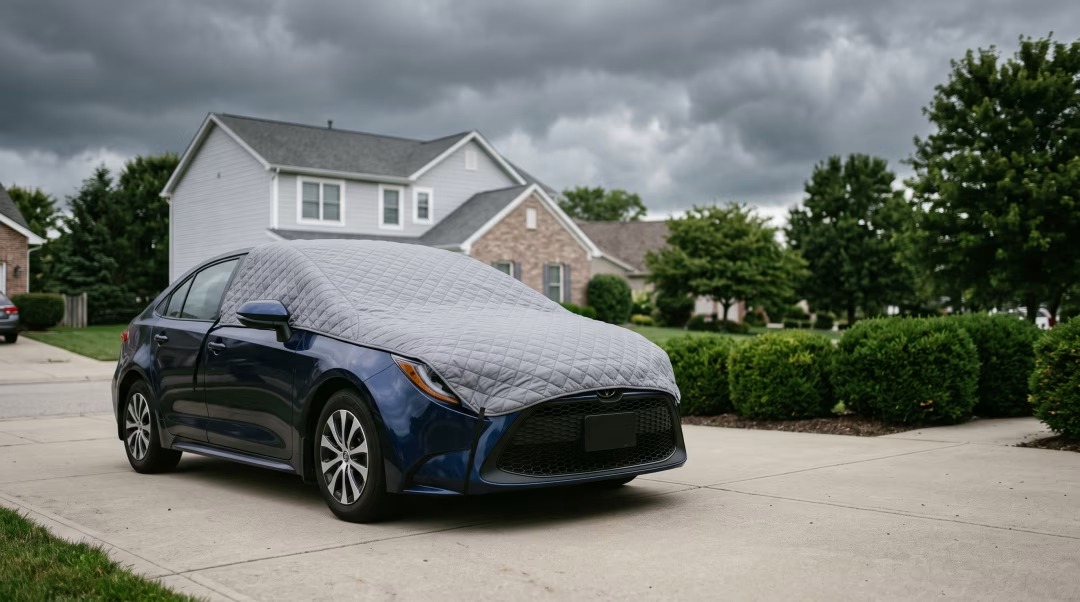
First, consider investing in a high-quality, padded car cover designed specifically for hail. These covers are thicker than standard dust covers and are engineered to diffuse the force of impact. While they can be a bit costly, they are far cheaper than replacing a windshield or paying a large insurance deductible. If a specialized cover is not in the budget, you can create your own makeshift protection. Grab old blankets, comforters, sleeping bags, or even large pieces of cardboard. Layer them across the most exposed surfaces of your vehicle: the windshield, rear window, roof, and hood. You can even use your car's own floor mats on the roof and hood for an extra layer of dense rubber padding. Secure these items with bungee cords or rope, but be careful not to scratch the paint.
Caught on the Road: What to Do During a Hailstorm
Being caught in a hailstorm while driving is a dangerous situation. Your visibility can be drastically reduced, and the sound of hail pounding on your vehicle can be startling. The primary goal is to find safe shelter as quickly as possible. Look for sturdy overhead structures like gas station awnings or bank drive-thrus. An overpass is another excellent option for temporary shelter. Pull over as far to the right as you safely can to stay out of the flow of traffic. Do not stop in a moving lane of traffic, as this can cause a serious accident. If no immediate shelter is available, pull over to the side of the road, turn on your hazard lights, and try to position your vehicle so the hail is hitting the most reinforced part of the car, which is typically the front windshield. Lie down on the seat with your back to the windows to protect yourself from potentially shattering glass.
After the Storm: Assessing Damage and Moving Forward
Once the storm has passed and it is safe to go outside, it is time to inspect your vehicle thoroughly. Do this in bright, clear daylight to see all the details. Look for dents on the hood, roof, and trunk lid. Check for cracks, chips, or bullseyes on all glass surfaces, including your windshield, side windows, and mirrors. Do not forget to inspect smaller details like plastic trim, light casings, and side-view mirrors, as these can also be cracked by large hailstones. Take detailed photos of any damage you find from multiple angles. This documentation will be essential if you decide to file an insurance claim.
If the damage is significant, your next step is to contact your insurance provider. Hail damage is typically covered under comprehensive insurance policies. An adjuster will assess the vehicle to estimate the repair costs. If the cost to repair the vehicle exceeds a certain percentage of its value, the insurance company may declare it a total loss. If this happens, or if you simply do not want to deal with the repairs, you might consider your other options. You can use our online tool to value your trade, even with existing damage. This can be a smart way to move on from a hail-damaged vehicle and get into one of our reliable options from our used inventory. Learning how to spot hail damage on a used car is a valuable skill for any Texas car buyer. If your vehicle has been damaged, do not despair. Our team can help you explore solutions, including understanding how trading in a car with hail damage works.
Frequently Asked Questions About Hail Protection
Does my car insurance cover hail damage?
Hail damage is typically covered if you have a comprehensive coverage plan on your auto insurance policy. Liability-only insurance does not cover weather-related damage. It is always best to review your specific policy or speak with your insurance agent to understand your coverage limits and deductible amount before a storm hits.
Are special hail car covers worth the investment?
For vehicle owners without access to a garage or carport, a high-quality, padded hail protection cover can be a very worthwhile investment. While more expensive than a standard cover, its cost is often significantly less than the price of a single insurance deductible or the cost of paintless dent repair for extensive damage.
Can blankets and comforters really prevent hail damage?
Yes, using thick blankets, comforters, or even moving pads can provide a substantial cushioning effect that significantly reduces or prevents damage from small to medium-sized hail. For larger, more severe hailstones, they may not prevent all dents, but they can lessen the severity of the impact, potentially saving your glass from cracking.
What is Paintless Dent Repair (PDR)?
Paintless Dent Repair, or PDR, is a technique used to remove minor dents from a vehicle's body panels without affecting the original paint finish. Technicians use specialized tools to massage the metal back into its original shape from behind the panel. It is often the preferred method for repairing hail damage as it is faster and typically less expensive than traditional bodywork.
Is it safe to park under an overpass during a hailstorm?
Parking under an overpass can provide excellent protection from hail, but it must be done with extreme caution. You should only do this if you can pull completely out of the lane of traffic onto a wide, safe shoulder. Never stop in a moving lane, as this creates a very dangerous hazard for other drivers, especially in low-visibility conditions.
