

How to Spot Hail
Damage on a Used Car
Finding the right used car involves more than just checking the mileage and engine. In North Texas, where hailstorms can appear with little warning, one of the most overlooked yet crucial inspections is for hail damage. Those small dents and dings can tell a bigger story about a vehicle's history and its structural integrity. Unrepaired hail damage can significantly decrease a car's value, lead to rust problems down the road, and even create complications with future insurance claims. Learning how to spot these imperfections is a vital skill for any savvy car buyer. It empowers you to assess a vehicle's true condition and make a confident purchasing decision. A few minutes spent carefully examining the bodywork can save you from unexpected costs and ensure you are getting a fair deal on your next vehicle. Knowing what to look for protects your investment and gives you peace of mind.
While a car with a history of hail damage might be offered at a lower price, it is important to understand the full picture. The quality of the repair matters immensely, as does the extent of the original impact. At our dealership, every vehicle undergoes a thorough inspection to identify any past issues, including storm damage. We believe in complete transparency, helping you understand the history of any car on our lot so you can choose a reliable vehicle that fits your needs and budget.
Your Comprehensive Guide to Identifying Hail Damage
When you are browsing for your next vehicle, the excitement of finding the perfect model can sometimes overshadow the need for a detailed inspection. However, taking the time to carefully examine a car for hail damage is a critical step, especially in a region prone to severe weather. Hail damage ranges from barely perceptible dings to extensive, crater-like dents that compromise the vehicle's paint and body panels. Understanding how to identify this type of damage ensures you know exactly what you are buying and helps you avoid future headaches. This guide provides a detailed, step-by-step process for becoming your own expert inspector, giving you the confidence to evaluate any car you are considering. For more general advice, you can also review our guide on how to inspect a used car before you buy.
Setting the Stage: The Best Conditions for Inspection
You cannot spot what you cannot see. The environment in which you inspect a vehicle plays a massive role in your ability to detect subtle imperfections like hail dents. Bright, direct sunlight is actually one of the worst conditions, as the glare can easily hide small dings. Instead, try to view the car under these optimal conditions:
- Overcast or Shady Lighting: Diffused, indirect light is your best friend. An overcast day, the shade of a large building, or viewing the car at dawn or dusk will reduce glare and make dents more visible as subtle shadows.
- Indoor Fluorescent Lighting: If possible, view the car inside a garage or showroom with overhead fluorescent lights. The long, straight reflections of the light tubes will become distorted or wavy as they pass over a dent, making them easy to spot.
- A Clean Surface: A layer of dust or dirt can easily camouflage minor dents. Always inspect a car that has been recently washed and dried. This provides a clear, reflective surface where imperfections have nowhere to hide.
A Systematic Approach to Your Hail Damage Check
Once you have the car in the right lighting, avoid a random, haphazard look-over. Follow a methodical process to check every part of the vehicle. Start from one corner and work your way around, panel by panel.
1. Examine the Horizontal Surfaces
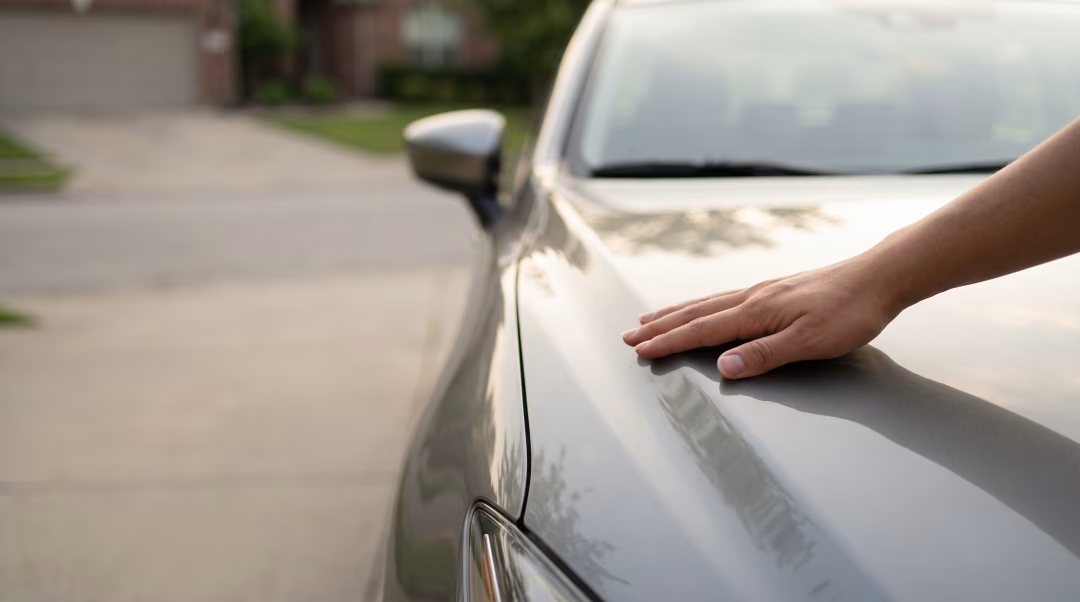
The hood, roof, and trunk lid are the primary targets during a hailstorm and will almost always show the most significant damage. These panels take the most direct hits. Do not just look straight down at them. Get low and look across the surface of the panel from a sharp angle. This technique, called "sighting," allows you to see the contours of the metal. A smooth panel will have a clean, unbroken reflection. A dent will interrupt that reflection. Run your clean, dry hand gently over these surfaces. Your sense of touch is often more sensitive than your eyes and can pick up on subtle low spots that you might otherwise miss.
2. Scrutinize the Vertical Panels and Details
While less common, strong winds can drive hail into the sides of a car. Inspect the doors, fenders, and quarter panels. Use the reflection of a straight line, like a building edge or a light pole, and watch how it behaves as you walk past the car. If the line wiggles, curves, or breaks, you have likely found a dent. Do not forget the smaller details. Check the thin metal or plastic trim around the windows and on the roof rails. These pieces can be dented or cracked. Even the plastic caps on side mirrors can be fractured by large hailstones.
3. Inspect All Glass and Lights
Hail can do more than just dent metal. Carefully inspect the windshield, rear window, side windows, and any sunroof for small chips, stars, or cracks. A small impact point on the windshield can spread into a large crack over time with changes in temperature. Also, check the plastic headlight and taillight lenses for any cracks or signs of impact. Replacing these components can be surprisingly expensive, so it is important to factor them into your evaluation.
4. Look for Signs of Repair
Finding evidence of past hail damage is one thing; assessing the quality of the repair is another. A professional repair job, especially using Paintless Dent Repair (PDR), can be nearly invisible. PDR technicians use specialized tools to massage the metal back into its original shape from behind the panel, preserving the factory paint. However, a poor repair job can be a major red flag. Look for:
- Mismatched Paint: Check for panels that seem slightly off in color or finish compared to adjacent ones.
- Uneven Texture: A repainted panel might have a bumpy "orange peel" texture that does not match the smooth factory finish.
- Overspray: Look closely at rubber trim, window seals, and door jambs for fine specks of paint, a tell-tale sign of a hasty repaint job.
- Evidence of Body Filler: If the damage was too severe for PDR, a body shop might use filler (like Bondo). You can sometimes spot this by looking for sanding marks under the paint or by using a small, weak magnet, which will not stick as strongly to areas with thick filler.
The Role of a Vehicle History Report
An inspection is crucial, but it should be paired with a comprehensive vehicle history report. If a vehicle sustained enough hail damage, the owner may have filed an insurance claim. This event can be recorded on the report. In severe cases, an insurance company might declare the vehicle a total loss, resulting in a salvage or rebuilt title. A history report is an invaluable tool for uncovering these past events. We always recommend that buyers learn about why you should get a vehicle history report for any car they seriously consider.
Your Trusted Source for Quality Used Cars
Navigating the used car market can feel overwhelming, but you do not have to do it alone. Here, we pride ourselves on a transparent process. Each vehicle in our used inventory is carefully selected and inspected. If you have questions about a vehicle's history or our inspection process, our team is here to provide clear, honest answers. We also offer straightforward financing solutions to fit your situation. You can learn more about what is buy here pay here financing and get started by visiting our financing area online.
Frequently Asked Questions About Hail Damage
Is minor hail damage a big deal on a used car?
Even minor hail damage can affect a vehicle's value. While a few small, cosmetic dings may not impact the car's performance, they will lower its resale and trade-in value. If the paint is cracked or chipped within the dent, it can also become a starting point for rust. It is always best to have any vehicle with hail damage assessed to understand its long-term implications.
Can hail damage be completely fixed?
Yes, in most cases, hail damage can be expertly repaired. The most common method is Paintless Dent Repair (PDR), where skilled technicians use special tools to push the dents out from the inside without disturbing the factory paint. For more severe damage where the paint is broken, traditional bodywork and repainting may be necessary. A high-quality repair can make the damage virtually undetectable.
Will my car insurance cover pre-existing hail damage?
No, auto insurance policies do not cover pre-existing damage. If you buy a car with unrepaired hail damage and it is later damaged in another storm, your insurance company will only cover the new damage. They will likely deduct the value of the pre-existing damage from any claim payout, which can be a complicated and frustrating process.
Does hail damage always show up on a vehicle history report?
Not always. A vehicle history report will typically only show hail damage if an insurance claim was filed. If the previous owner paid for repairs out of pocket or simply chose not to repair the damage, there would be no official record of the event. This is why a thorough personal inspection is absolutely essential and cannot be replaced by a history report alone.
How does hail damage affect my car's trade-in value?
Hail damage will almost certainly lower a vehicle's trade-in value. A dealership must account for the cost to repair the damage before they can resell the car. The reduction in value will depend on the severity of the damage, from a few hundred dollars for minor dings to several thousand for extensive damage across multiple panels. If you are considering trading in a car with hail damage, getting an estimate for the repair cost beforehand can help you understand its impact on the vehicle's value.
